

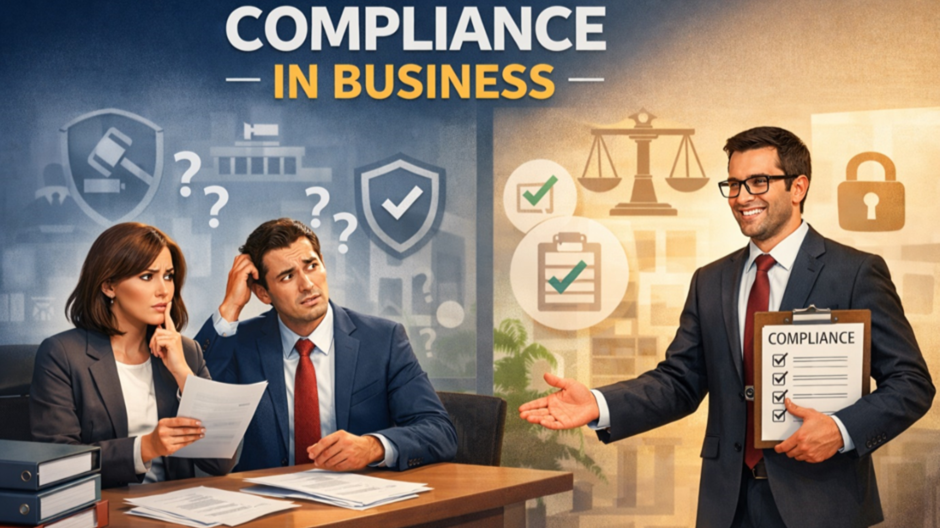
In today’s highly regulated and socially conscious business environment, organizations are expected to operate with integrity, transparency, and accountability. Compliance failures or unethical behavior can lead to legal penalties, financial losses, and long-term damage to reputation. This is where Compliance and Ethics Management plays a critical role. It provides organizations with structured systems and practices to ensure adherence to laws, regulations, and ethical standards while fostering a culture of trust and responsibility.
This article explores the meaning of Compliance and Ethics Management, the essential tools used to implement it, effective strategies for success, and the key benefits it offers to organizations of all sizes.
Understanding Compliance and Ethics Management
Compliance and Ethics Management refers to the framework, policies, and processes organizations use to ensure that their operations align with legal requirements and ethical principles. Compliance focuses on following laws, regulations, and industry standards, while ethics emphasizes values such as honesty, fairness, and respect.
Although compliance and ethics are closely connected, they serve distinct purposes. Compliance is often rule-based and externally enforced, whereas ethics is values-based and internally driven. An effective Compliance and Ethics Management program integrates both, ensuring not only that employees follow the rules but also that they make the right decisions when rules are unclear.
Organizations across industries—such as healthcare, finance, manufacturing, and technology—rely on Compliance and Ethics Management to reduce risks and maintain stakeholder confidence.
Key Components of Compliance and Ethics Management
A strong Compliance and Ethics Management framework typically includes several core components that work together to guide behavior and decision-making.
1. Codes of Conduct and Ethical Policies
A code of conduct defines the organization’s values, principles, and expectations for employee behavior. It serves as the foundation of Compliance and Ethics Management by providing clear guidance on acceptable and unacceptable actions.
Ethical policies often address areas such as conflicts of interest, data protection, anti-bribery, workplace behavior, and fairness. These documents should be written in clear language and made easily accessible to all employees.
2. Leadership and Governance
Leadership commitment is essential for effective Compliance and Ethics Management. Senior management and the board of directors must demonstrate ethical behavior and support compliance initiatives. When leaders set the right tone, employees are more likely to follow.
Many organizations appoint compliance officers or ethics committees to oversee program implementation, monitor risks, and ensure accountability.
3. Training and Awareness
Training programs are critical tools in Compliance and Ethics Management. They help employees understand legal requirements, ethical standards, and organizational policies. Training should be ongoing, role-specific, and updated regularly to reflect regulatory changes and emerging risks.
Awareness initiatives, such as internal communications and workshops, reinforce key messages and keep compliance and ethics top of mind.
4. Monitoring and Enforcement
Monitoring mechanisms ensure that policies are followed and risks are identified early. These may include audits, internal controls, and performance reviews. Consistent enforcement of rules, including disciplinary actions for violations, is essential to maintain credibility.
5. Reporting and Investigation Systems
Effective Compliance and Ethics Management includes secure and confidential reporting channels, such as ethics hotlines or online reporting tools. Employees should feel safe reporting concerns without fear of retaliation. All reports must be taken seriously and investigated promptly.
Tools Used in Compliance and Ethics Management
Modern Compliance and Ethics Management relies on a variety of tools to improve efficiency, accuracy, and consistency.
Compliance Management Software
Compliance management software helps organizations track regulations, manage policies, document training, and monitor compliance activities. These platforms centralize information and reduce manual errors, making it easier to demonstrate compliance during audits.
Risk Assessment Tools
Risk assessment tools help identify areas where compliance or ethical failures are most likely to occur. By analyzing operational, financial, and regulatory risks, organizations can prioritize resources and design targeted controls.
Learning Management Systems (LMS)
Learning management systems support compliance training by delivering online courses, tracking participation, and measuring employee understanding. An LMS ensures that training requirements are met and documented.
Data Analytics and Monitoring Tools
Advanced analytics tools detect unusual patterns or behaviors that may indicate compliance risks, such as fraud or data misuse. Continuous monitoring strengthens Compliance and Ethics Management by enabling proactive intervention.
Whistleblower and Reporting Platforms
Secure reporting platforms encourage employees and external stakeholders to report concerns. These tools protect confidentiality and ensure proper case management and follow-up.
Strategies for Effective Compliance and Ethics Management
Having tools in place is not enough. Organizations must adopt clear strategies to ensure their Compliance and Ethics Management programs are effective and sustainable.
Build a Strong Ethical Culture
Culture is the backbone of Compliance and Ethics Management. Organizations should promote values such as integrity, accountability, and respect through everyday actions, not just written policies. Leaders should model ethical behavior and recognize employees who uphold ethical standards.
Align Compliance with Business Goals
Compliance should not be seen as a barrier to success. Integrating Compliance and Ethics Management into business strategy helps organizations achieve objectives while managing risks. When compliance supports long-term goals, it becomes a value-adding function rather than a cost.
Customize Programs to Organizational Needs
Every organization faces different risks based on its size, industry, and geographic presence. Compliance and Ethics Management programs should be tailored to these specific risks instead of relying on generic approaches.
Encourage Open Communication
Employees must feel comfortable asking questions and raising concerns. Open communication strengthens Compliance and Ethics Management by preventing small issues from becoming major problems. Regular feedback and dialogue foster trust.
Continuously Review and Improve
Regulations, technologies, and business models evolve rapidly. Compliance and Ethics Management programs should be reviewed regularly to ensure they remain relevant and effective. Continuous improvement demonstrates commitment and adaptability.
Benefits of Compliance and Ethics Management
Implementing a robust Compliance and Ethics Management program offers numerous advantages beyond legal compliance.
Reduced Legal and Financial Risks
One of the most direct benefits of Compliance and Ethics Management is the reduction of legal violations, fines, and penalties. Proactive compliance minimizes the likelihood of costly investigations and lawsuits.
Enhanced Reputation and Trust
Organizations known for ethical conduct attract customers, investors, and partners. A strong reputation built on Compliance and Ethics Management increases stakeholder confidence and long-term sustainability.
Improved Employee Engagement
Employees are more engaged and motivated when they work in an ethical environment. Compliance and Ethics Management promotes fairness, transparency, and respect, leading to higher morale and lower turnover.
Better Decision-Making
Ethical frameworks guide employees in making sound decisions, even in complex situations. Compliance and Ethics Management helps individuals evaluate risks, consider consequences, and choose responsible actions.
Competitive Advantage
Organizations with strong compliance and ethics practices often outperform competitors. Customers prefer to do business with trustworthy companies, and regulators may view them more favorably during inspections or approvals.
Operational Efficiency
Clear policies and standardized processes reduce confusion and inefficiencies. Compliance and Ethics Management streamlines operations by defining expectations and minimizing errors.
Challenges in Compliance and Ethics Management
Despite its benefits, Compliance and Ethics Management is not without challenges. Common obstacles include limited resources, resistance to change, and lack of awareness. Global organizations may also face difficulties managing compliance across different legal systems and cultures.
Overcoming these challenges requires leadership commitment, employee involvement, and continuous investment in training and tools.
The Future of Compliance and Ethics Management
As technology advances and regulatory scrutiny increases, Compliance and Ethics Management will continue to evolve. Artificial intelligence, automation, and data analytics are expected to play a larger role in monitoring risks and ensuring compliance.
Additionally, there is growing emphasis on environmental, social, and governance (ESG) factors. Compliance and Ethics Management will increasingly address sustainability, diversity, and social responsibility alongside traditional legal requirements.
Conclusion
Compliance and Ethics Management is no longer optional—it is a fundamental aspect of responsible and successful business operations. By combining clear policies, effective tools, strong leadership, and a culture of integrity, organizations can navigate complex regulations while maintaining ethical standards.
The right strategies and tools not only protect organizations from risks but also create lasting value through trust, transparency, and accountability. As business environments continue to change, investing in Compliance and Ethics Management will remain a key driver of long-term success.