

When businesses plan how to deliver products or services to customers, one critical decision arises: Production or Procurement? This choice determines how a company sources the goods it sells or the materials it uses in operations. Making the right decision can affect cost, quality, efficiency, risk exposure, and long-term competitiveness.
In this article, we explore the concept of Production or Procurement, explain the differences, examine advantages and disadvantages, and provide guidance on how organizations can decide which approach best fits their strategy.
Understanding Production
Production refers to the process of creating goods or services internally. A company that chooses production invests in facilities, equipment, labor, and raw materials to manufacture products in-house.
For example, a furniture company that cuts wood, assembles tables, and finishes products in its own factory is relying on production. Similarly, a software company developing its own platform instead of buying an existing solution is using internal production.
Key Characteristics of Production
- Internal control over operations
- Ownership of facilities and equipment
- Direct management of workforce
- Responsibility for quality control
- Long-term capital investment
Production allows companies to maintain full oversight of the entire process, from raw materials to finished products.
Understanding Procurement
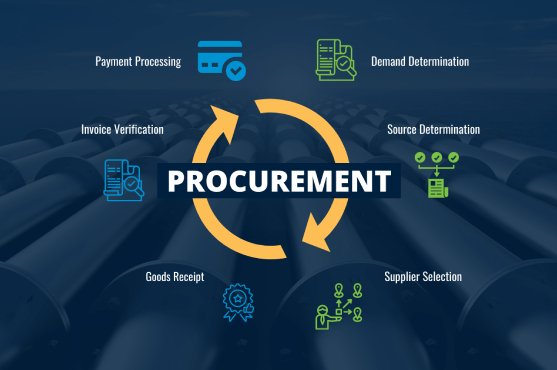
Procurement, on the other hand, refers to sourcing goods, materials, or services from external suppliers. Instead of producing internally, a company purchases products or components from third parties.
For instance, a clothing brand that outsources manufacturing to overseas factories is using procurement. A retailer buying finished goods from manufacturers is also relying on procurement.
Key Characteristics of Procurement
- Reliance on external suppliers
- Contractual agreements and negotiations
- Supplier relationship management
- Focus on purchasing efficiency
- Reduced capital investment
Procurement shifts the responsibility of production to specialized vendors, allowing the company to focus on other core functions such as marketing, branding, or distribution.
Production or Procurement: The Core Differences
Understanding the difference between Production or Procurement is essential for strategic decision-making. Below are the main points of comparison:
1. Cost Structure
- Production involves high upfront capital investment (equipment, facilities, staff). However, per-unit costs may decrease over time with economies of scale.
- Procurement generally requires lower initial investment but may involve higher per-unit purchase prices.
2. Control
- Production offers complete control over quality, timelines, and customization.
- Procurement limits control, as suppliers manage their own processes.
3. Flexibility
- Production systems may be less flexible due to fixed infrastructure.
- Procurement allows businesses to switch suppliers or scale orders more easily.
4. Risk
- Production carries operational risk, including equipment failure or labor shortages.
- Procurement involves supplier risk, such as delivery delays or quality inconsistencies.
5. Focus
- Production requires attention to manufacturing operations.
- Procurement allows companies to focus on branding, sales, and innovation.
Advantages of Production
Choosing production in the Production or Procurement decision offers several advantages:
1. Greater Quality Control
Companies can implement strict quality standards and monitor every stage of manufacturing. This is especially important for industries where quality is a competitive advantage.
2. Protection of Intellectual Property
Producing internally reduces the risk of intellectual property theft. Sensitive designs, formulas, or technologies remain within the organization.
3. Customization and Innovation
Internal production allows faster design changes and innovation. Companies can experiment without relying on third-party approvals.
4. Long-Term Cost Efficiency
Although initial costs are high, production can become more cost-effective over time, especially when production volumes increase.
5. Brand Reputation
Companies known for in-house manufacturing may gain customer trust, particularly in industries like luxury goods or technology.
Disadvantages of Production
Despite its benefits, production also has limitations:
1. High Initial Investment
Factories, equipment, and skilled labor require significant capital.
2. Operational Complexity
Managing supply chains, production schedules, maintenance, and workforce adds complexity.
3. Capacity Limitations
Internal facilities may limit growth if demand increases beyond production capacity.
4. Fixed Costs
Production involves ongoing fixed expenses such as utilities, wages, and maintenance, even during slow periods.
Advantages of Procurement
Procurement offers its own set of benefits in the Production or Procurement decision.
1. Lower Capital Requirements
Companies avoid large investments in equipment and facilities.
2. Access to Expertise
Suppliers often specialize in production, offering better efficiency and technical knowledge.
3. Scalability
Businesses can increase or decrease orders based on demand without managing production capacity.
4. Faster Market Entry
Procurement allows companies to launch products quickly by leveraging existing supplier capabilities.
5. Reduced Operational Burden
Outsourcing production allows management to focus on core business activities.
Disadvantages of Procurement
While procurement can be efficient, it also introduces challenges:
1. Reduced Control
Companies depend on suppliers for quality, timelines, and compliance.
2. Supplier Dependency
Over-reliance on one supplier can create risk if disruptions occur.
3. Potential Quality Issues
Quality standards may vary between suppliers.
4. Communication Barriers
Working with international suppliers can introduce language and cultural challenges.
Factors to Consider in Production or Procurement Decisions
The decision between Production or Procurement should not be based solely on cost. Several strategic factors must be evaluated.
1. Core Competencies
If manufacturing is a core strength of the company, production may be the better option. If the company excels in marketing or innovation instead, procurement might be more suitable.
2. Financial Resources
Organizations with strong capital resources can invest in production facilities. Smaller companies may prefer procurement to minimize financial risk.
3. Market Demand
Stable, predictable demand supports production. Uncertain or fluctuating demand favors procurement due to flexibility.
4. Technology Requirements
Highly specialized or proprietary technologies often justify internal production to protect competitive advantage.
5. Risk Tolerance
Companies must assess whether they prefer operational risk (production) or supplier risk (procurement).
Hybrid Approach: Combining Production and Procurement
Many companies adopt a hybrid strategy rather than choosing exclusively between Production or Procurement.
For example:
- Producing high-value components internally while procuring standard parts.
- Manufacturing core products in-house but outsourcing overflow production during peak seasons.
- Developing prototypes internally and outsourcing mass production.
This balanced approach allows companies to maintain control over critical aspects while benefiting from supplier efficiencies.
Industry Examples
Automotive Industry
Automotive manufacturers often produce engines and core components internally while procuring smaller parts from suppliers.
Technology Industry
Tech companies may design products internally but outsource manufacturing to specialized firms.
Retail Industry
Retailers typically rely heavily on procurement, sourcing products from various manufacturers worldwide.
Food Industry
Food companies may produce signature items internally while procuring packaging and ingredients externally.
These examples show that the Production or Procurement decision depends heavily on industry dynamics.
Strategic Implications
The choice between Production or Procurement affects long-term competitiveness.
Competitive Advantage
Internal production may create differentiation through superior quality or innovation. Procurement may create cost leadership through supplier efficiency.
Supply Chain Resilience
Global disruptions have highlighted the importance of resilient supply chains. Companies must consider geographic diversification, supplier reliability, and inventory strategies.
Sustainability
Production allows better oversight of environmental standards. Procurement requires careful supplier evaluation to ensure sustainability compliance.
Cost Analysis in Production or Procurement
A detailed cost comparison should include:
- Capital expenditures
- Labor costs
- Raw materials
- Transportation
- Inventory holding costs
- Supplier margins
- Quality control expenses
Total cost of ownership (TCO) analysis is critical. Sometimes procurement appears cheaper initially but becomes costly when hidden expenses are considered.
Risk Management
Risk plays a central role in Production or Procurement decisions.
Production Risks
- Equipment breakdown
- Labor disputes
- Regulatory compliance issues
- Overcapacity
Procurement Risks
- Supplier bankruptcy
- Political instability
- Shipping delays
- Currency fluctuations
Diversification, strong contracts, and contingency planning can mitigate these risks.
Digital Transformation and Its Impact
Modern technologies are influencing Production or Procurement strategies.
Automation
Automation reduces labor costs in production, making internal manufacturing more attractive.
Data Analytics
Analytics improve supplier evaluation and procurement decision-making.
Cloud-Based Systems
Integrated supply chain platforms enhance visibility, whether a company chooses production or procurement.
Technology has narrowed the gap between the two approaches, allowing companies to make more informed decisions.
How to Make the Right Choice
To determine the best Production or Procurement strategy, companies should:
- Conduct a strategic assessment of core strengths.
- Perform detailed cost analysis.
- Evaluate risks and market conditions.
- Consider long-term growth plans.
- Assess operational capabilities.
- Analyze supplier reliability and availability.
There is no universal answer. The best choice aligns with overall business objectives and market positioning.
Conclusion
The decision between Production or Procurement is one of the most important strategic choices a business can make. Production offers control, innovation, and potential long-term savings but requires significant investment and operational management. Procurement provides flexibility, lower upfront costs, and access to specialized expertise but introduces supplier dependency and reduced control.
Many successful companies use a hybrid approach, combining the strengths of both strategies to maximize efficiency and resilience.
Ultimately, the Production or Procurement decision should align with the company’s financial capacity, competitive strategy, risk tolerance, and long-term vision. By carefully analyzing all relevant factors, businesses can build a supply strategy that supports sustainable growth and operational excellence.