
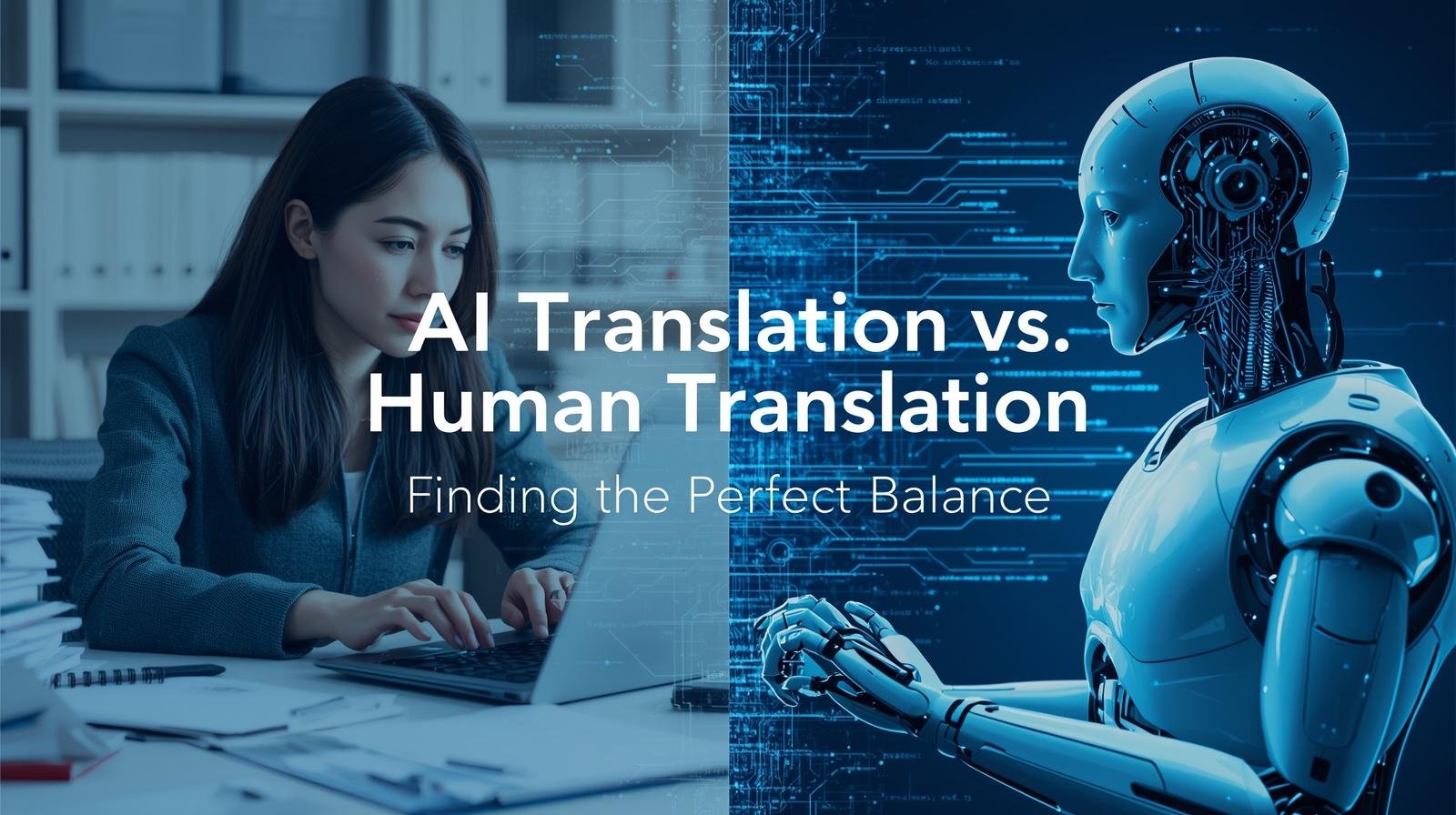
As global communication continues to grow, the demand for fast and accurate translation services has never been higher. Businesses, content creators, and individuals all rely on translation to connect with audiences across different languages and cultures.
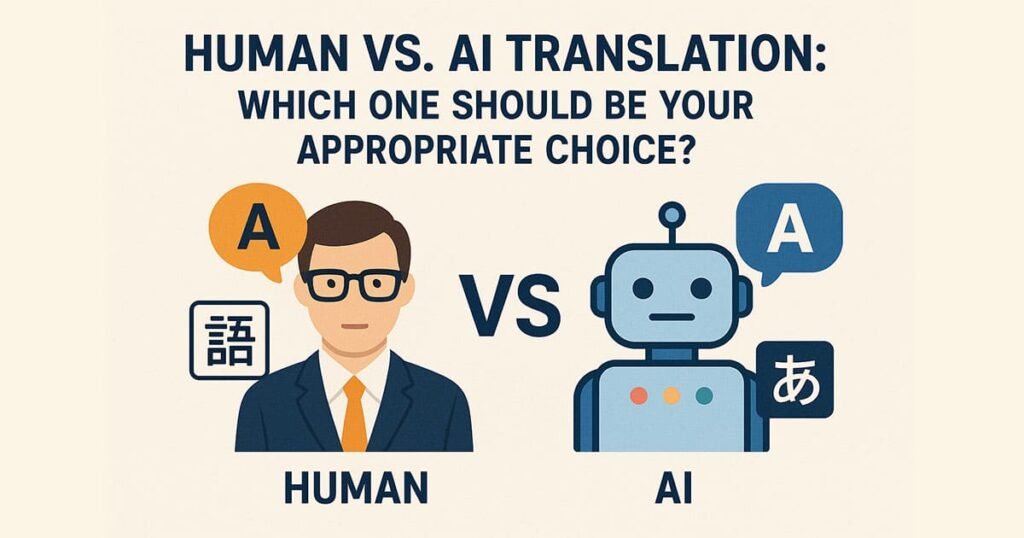
In 2026, one major question stands out: Should you use human translators or AI-powered tools? Both options have their strengths and limitations, and choosing the right one depends on your needs.
This guide breaks down the differences between human and AI translation services, helping you decide which is better for your situation.
What Are Translation Services?
Translation services involve converting content from one language to another while preserving meaning, tone, and context.
There are three main types:
- Human translation (done by professional linguists)
- AI or machine translation (done by software)
- Hybrid translation (a combination of both)
Each type serves different purposes, depending on the level of accuracy and speed required.
What Are Human Translation Services?
Human translation services rely on professional translators who understand both the source and target languages.
Key Characteristics:
- Deep understanding of language and culture
- Ability to interpret context and tone
- Expertise in specific industries
Human translators focus on delivering accurate and natural-sounding content.
What Are AI Translation Services?
AI translation services use artificial intelligence and machine learning to translate text automatically.
Key Characteristics:
- Fast and scalable
- Cost-effective
- Constantly improving through data
Popular AI tools can translate large volumes of content in seconds, making them highly efficient.
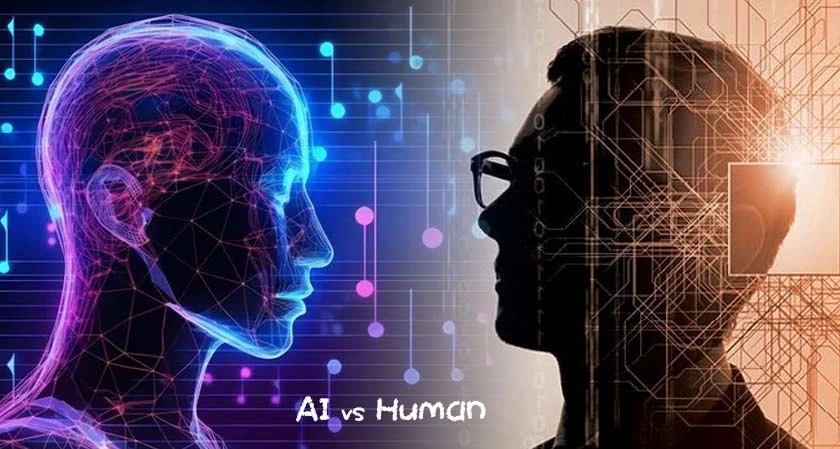
Key Differences Between Human and AI Translation Services
Let’s compare the two across important factors.
1. Accuracy
Human Translation Services:
- Highly accurate
- Understand context, idioms, and nuances
- Ideal for complex content
AI Translation Services:
- Good for simple text
- May struggle with context and tone
- Errors can occur with complex language
Winner: Human translation services for accuracy
2. Speed
Human Translation Services:
- Slower due to manual work
- Depends on project size
AI Translation Services:
- Extremely fast
- Can process large volumes instantly
Winner: AI translation services for speed
3. Cost
Human Translation Services:
- More expensive
- Pricing based on word count or project complexity
AI Translation Services:
- Free or low-cost
- Affordable for large-scale use
Winner: AI translation services for cost
4. Context and Cultural Understanding
Human Translation Services:
- Understand cultural nuances
- Adapt tone and style
- Avoid misinterpretations
AI Translation Services:
- Limited cultural awareness
- May produce literal translations
Winner: Human translation services
5. Scalability
Human Translation Services:
- Limited by human capacity
- Slower for large projects
AI Translation Services:
- Highly scalable
- Ideal for large volumes of content
Winner: AI translation services
6. Consistency
Human Translation Services:
- May vary between translators
- Requires style guides for consistency
AI Translation Services:
- Highly consistent
- Uses predefined rules and data
Winner: AI translation services
When to Use Human Translation Services
Human translation services are best for situations where accuracy and quality are critical.
1. Legal Documents
Contracts, agreements, and official documents require precise language.
2. Medical Content
Accuracy is essential to avoid serious consequences.
3. Marketing Materials
Creative content needs cultural adaptation and emotional appeal.
4. Business Communication
Professional tone and clarity are important.
5. Brand Messaging
Maintaining your brand voice across languages requires human expertise.
When to Use AI Translation Services
AI translation services are ideal for speed and efficiency.
1. Quick Translations
For casual or everyday use.
2. Large Volumes of Content
Translating bulk data quickly.
3. Internal Communication
Non-critical content within teams.
4. Initial Drafts
Creating a first version that can later be edited.
The Rise of Hybrid Translation Services
In 2026, many businesses are adopting a hybrid approach.
What Is Hybrid Translation?
It combines:
- AI translation for speed
- Human editing for accuracy
Benefits:
- Faster than human-only translation
- More accurate than AI alone
- Cost-effective
Hybrid translation services are becoming the preferred choice for many organizations.
Advantages of Human Translation Services
- High accuracy
- Cultural understanding
- Better tone and style
- Suitable for complex content
Disadvantages of Human Translation Services
- Higher cost
- Slower turnaround
- Limited scalability
Advantages of AI Translation Services
- Fast and efficient
- Low cost
- Scalable
- Consistent output
Disadvantages of AI Translation Services
- Limited understanding of context
- Potential errors
- Lack of cultural sensitivity
- Not suitable for critical content
Real-World Examples
Example 1: E-commerce Business
- Uses AI translation for product listings
- Uses human translation for marketing campaigns
Example 2: Legal Firm
- Relies entirely on human translation services for accuracy
Example 3: Content Creator
- Uses AI tools for quick translations
- Edits content manually for quality
How to Choose the Right Translation Services
Choosing between human and AI translation services depends on your needs.
Choose Human Translation Services If:
- Accuracy is critical
- Content is complex
- Cultural relevance is important
Choose AI Translation Services If:
- Speed is a priority
- Budget is limited
- Content is simple
Choose Hybrid Translation Services If:
- You want a balance of speed and quality
- You have large projects with moderate complexity
Future of Translation Services in 2026
Translation technology is evolving rapidly.
Key Trends:
- Improved AI accuracy
- Real-time translation tools
- Better integration with business systems
- Increased use of hybrid solutions
While AI continues to improve, human expertise remains essential for high-quality translation.
Common Mistakes to Avoid
Relying Only on AI for Important Content
This can lead to costly errors.
Ignoring Cultural Differences
Literal translations may not connect with your audience.
Choosing Based on Cost Alone
Cheap solutions may compromise quality.
Skipping Human Review
Even AI translations should be reviewed for accuracy.
Tips for Getting the Best Results
Define Your Needs
Understand whether you need speed, accuracy, or both.
Use the Right Tools
Combine AI and human translation when necessary.
Review Your Content
Always check the final output.
Work with Professionals
For critical projects, rely on expert translation services.
Final Thoughts
The debate between human and AI translation services is not about choosing one over the other—it’s about understanding their strengths and using them effectively.
Conclusion
So, which is better in 2026—human or AI translation services?
The answer depends on your needs:
- Human translation services are for accuracy, quality, and cultural relevance
- AI translation services are for speed, scalability, and cost
- Hybrid translation services offer the best balance of both
By choosing the right approach, you can ensure effective communication, avoid costly mistakes, and succeed in a globalized world.