


Managing money is one of the most important life skills, yet many people struggle with it. Whether you’re earning a steady income or just starting out, understanding financial management is essential for building a secure and stress-free future.
Good financial management helps you control your spending, save for the future, avoid debt, and achieve your financial goals. In this guide, you’ll learn the basics of financial management and practical steps to manage your money effectively.

What Is Financial Management?
Financial management refers to the process of planning, organizing, and controlling your finances. It involves managing your income, expenses, savings, and investments to achieve financial stability.
Key Areas of Financial Management:
- Budgeting
- Saving
- Investing
- Debt management
- Financial planning
It’s about making smart decisions with your money.

Why Financial Management Is Important
Effective financial management plays a key role in your overall well-being.
Key Benefits:
- Helps you avoid debt
- Builds financial security
- Reduces stress
- Prepares you for emergencies
- Supports long-term goals
Without proper financial management, it’s easy to overspend and struggle financially.
Step-by-Step Guide to Financial Management
Let’s break down the basics into simple steps.
Step 1: Understand Your Income
The first step in financial management is knowing how much money you earn.
Include:
- Salary or wages
- Business income
- Side income
Knowing your total income helps you plan your finances effectively.
Step 2: Track Your Expenses
You need to know where your money is going.
Types of Expenses:
- Fixed expenses (rent, bills)
- Variable expenses (food, entertainment)
Tips:
- Use a notebook or app
- Review your spending regularly
Tracking expenses helps identify unnecessary spending.
Step 3: Create a Budget
A budget is the foundation of financial management.
How to Create a Budget:
- List your income
- List your expenses
- Allocate money for each category
- Adjust as needed
Popular Rule:
50/30/20 Rule
- 50% needs
- 30% wants
- 20% savings
A budget helps you control your money instead of letting it control you.
Step 4: Build an Emergency Fund
Unexpected expenses can happen at any time.
Why It’s Important:
- Covers emergencies
- Prevents debt
- Provides peace of mind
Goal:
Save 3–6 months of living expenses.
Start small and build gradually.
Step 5: Save Regularly
Saving is a key part of financial management.
Tips:
- Pay yourself first
- Automate your savings
- Set savings goals
Even small amounts can grow over time.
Step 6: Manage Debt Wisely
Debt can be helpful or harmful, depending on how you use it.
Good Debt:
- Education loans
- Business investments
Bad Debt:
- High-interest credit cards
- Unnecessary loans
Tips:
- Pay off high-interest debt first
- Avoid unnecessary borrowing
Managing debt keeps your finances healthy.
Step 7: Start Investing
Investing helps grow your money over time.
Benefits:
- Builds wealth
- Beats inflation
- Supports long-term goals
Common Options:
- Stocks
- Bonds
- Mutual funds
Start early to take advantage of compound growth.
Step 8: Set Financial Goals
Goals give your financial management a clear direction.
Types of Goals:
- Short-term (saving for a gadget)
- Medium-term (buying a car)
- Long-term (retirement)
Tips:
- Make goals specific
- Set deadlines
- Track progress
Clear goals keep you motivated.
Smart Money Management Tips

Live Below Your Means
Spend less than you earn to build savings.
Avoid Impulse Spending
Think before making purchases.
Use Cash or Budgeting Tools
Control your spending more effectively.
Review Your Finances Regularly
Check your budget and progress monthly.
Educate Yourself
Learn more about financial management to make better decisions.
Common Financial Management Mistakes
Avoid these mistakes to improve your financial health.
Not Having a Budget
Without a budget, it’s easy to overspend.
Ignoring Savings
Failing to save can lead to financial stress.
Relying Too Much on Credit
Excessive debt can be harmful.
Not Planning for Emergencies
Unexpected expenses can disrupt your finances.
Lack of Financial Goals
Without goals, it’s hard to stay focused.
Financial Management for Different Life Stages
For Students
- Learn basic budgeting
- Avoid unnecessary debt
- Start saving early
For Working Professionals
- Build savings and investments
- Manage expenses
- Plan for future goals
For Families
- Budget household expenses
- Save for children’s education
- Plan long-term finances
Tools for Financial Management
Using tools can make financial management easier.
Useful Tools:
- Budgeting apps
- Expense trackers
- Investment platforms
These tools help you stay organized and make better decisions.
Benefits of Good Financial Management
Financial Security
You are prepared for emergencies.
Reduced Stress
Less worry about money.
Better Decision-Making
You can make informed financial choices.
Achieving Goals
You can reach your financial milestones.
How Financial Management Improves Your Life
Effective financial management impacts all areas of your life.
Personal Life:
- Less stress
- Better lifestyle
Professional Life:
- Improved focus
- Better opportunities
Future:
- Financial independence
- Retirement security
Tips for Long-Term Financial Success
Be Consistent
Consistency is key to success.
Stay Disciplined
Avoid unnecessary spending.
Keep Learning
Financial knowledge is powerful.
Adapt to Changes
Adjust your plan as your situation changes.
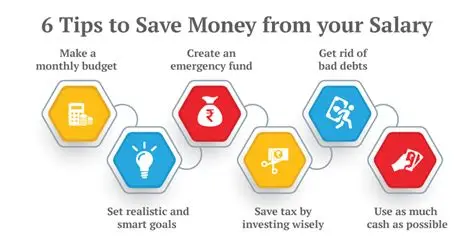
Final Thoughts
Mastering financial management is essential for achieving financial stability and long-term success. It’s not about how much you earn, but how well you manage your money.
Conclusion
Financial management is a lifelong skill that can transform your life. By budgeting, saving, investing, and managing debt wisely, you can take control of your finances and build a secure future.
Start with small steps, stay consistent, and keep improving. With the right approach, financial management becomes simple, effective, and rewarding.