


In today’s fast-changing digital world, learning new skills is essential for career growth and success. One of the most important questions learners face is whether to choose software training or self-learning. Both approaches can help you gain valuable skills, but each has its advantages and challenges.
In this guide, we will compare software training and self-learning to help you decide which option is better for you in 2026.
What Is Software Training?
Software training refers to structured learning programs designed to teach specific software skills. These programs are usually offered by institutions, online platforms, or training centers.
Features of Software Training:
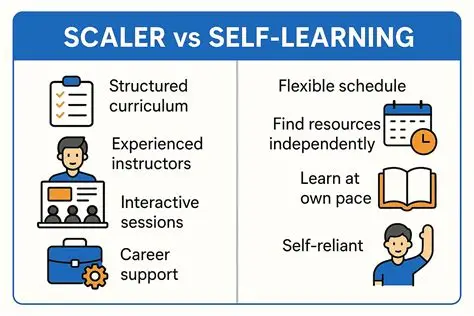
- Structured curriculum
- Guided instruction
- Hands-on practice
- Certification
Software training is designed to provide a clear learning path.
What Is Self-Learning?
Self-learning is an independent approach where you learn skills on your own using resources like videos, articles, and tutorials.
Features of Self-Learning:
- Flexible schedule
- No formal structure
- Self-paced learning
- Wide range of resources
Self-learning allows you to take control of your education.
Key Differences Between Software Training and Self-Learning
Structure
- Software Training: Organized and structured
- Self-Learning: Flexible but less structured
Guidance
- Software Training: Instructor support
- Self-Learning: Independent learning
Cost
- Software Training: Often paid
- Self-Learning: Can be free or low-cost
Flexibility
- Software Training: Fixed schedule (sometimes)
- Self-Learning: Fully flexible
Certification
- Software Training: Provides certificates
- Self-Learning: Usually no formal certification
Understanding these differences helps you choose the right path.
Advantages of Software Training
1. Structured Learning Path
One of the biggest benefits of software training is its structured approach.
Why It Matters:
- Easy to follow
- Covers all essential topics
- Reduces confusion
Beginners especially benefit from structured learning.
2. Expert Guidance
You learn from experienced instructors.
Benefits:
- Get answers to questions
- Avoid common mistakes
- Learn faster
Guidance improves your learning experience.
3. Hands-On Practice
Most software training programs include practical exercises.
Why It’s Important:
- Reinforces learning
- Builds real-world skills
Practice is essential for mastery.
4. Certification
Certificates can enhance your resume.
Benefits:
- Validates your skills
- Increases job opportunities
Employers often value certified candidates.
5. Networking Opportunities
Training programs often connect you with others.
Benefits:
- Meet like-minded learners
- Build professional connections
Networking can help your career.
Disadvantages of Software Training
Cost
Many programs require payment.
Limited Flexibility
Some courses have fixed schedules.
Dependence on Instructors
You may rely too much on guidance.
Advantages of Self-Learning
1. Flexibility
Self-learning allows you to learn anytime.
Benefits:
- Study at your own pace
- Fit learning into your schedule
Flexibility is ideal for busy individuals.
2. Low Cost
Many resources are free.
Examples:
- YouTube tutorials
- Blogs and articles
Self-learning is budget-friendly.
3. Personalized Learning
You can focus on what you need.
Benefits:
- Skip unnecessary topics
- Learn specific skills
Customization improves efficiency.
4. Develops Independence
Self-learning builds discipline.
Benefits:
- Improves problem-solving
- Encourages critical thinking
Independence is valuable in any career.
Disadvantages of Self-Learning
Lack of Structure
You may not know where to start.
No Guidance
Difficult to solve problems alone.
Inconsistent Learning
Lack of discipline can slow progress.
No Certification
Harder to prove your skills.
Which Is Better in 2026?
The answer depends on your goals, experience, and learning style.
Choose Software Training If:
- You are a beginner
- You need structured guidance
- You want certification
- You prefer a clear learning path
Choose Self-Learning If:
- You are self-motivated
- You want flexibility
- You have some prior knowledge
- You are on a budget
In many cases, combining both methods is the best approach.
Hybrid Approach: The Best of Both Worlds
Combining software training and self-learning can maximize your results.
How to Do It:
- Start with structured software training
- Use self-learning to expand your knowledge
- Practice independently
This approach offers both guidance and flexibility.
Tips for Choosing the Right Learning Method
Understand Your Learning Style
Do you prefer guidance or independence?
Set Clear Goals
Define what you want to achieve.
Consider Your Budget
Choose what fits your financial situation.
Evaluate Your Time
Pick a method that matches your schedule.
Common Mistakes to Avoid
Choosing Without Research
Always compare options.
Relying Only on Theory
Practice is essential.
Lack of Consistency
Regular learning is key.
Ignoring Your Goals
Stay focused on your objectives.
Future Trends in Software Training and Learning
Online Learning Growth
More courses are available online.
AI-Powered Learning
Personalized learning experiences.
Microlearning
Short lessons for faster learning.
Interactive Learning
More hands-on and engaging methods.
These trends are shaping how people learn in 2026.
Benefits of Choosing the Right Approach
Faster Learning
Efficient methods save time.
Better Skill Development
Gain practical and relevant skills.
Career Growth
Improve job opportunities.
Increased Confidence
Feel more capable and prepared.

Final Thoughts
Choosing between software training and self-learning is not about which is better overall—it’s about what works best for you. Both methods have their strengths and can help you achieve your goals.
Conclusion
In 2026, both software training and self-learning are valuable ways to gain skills. Software training offers structure, guidance, and certification, while self-learning provides flexibility and independence.
For most learners, a combination of both approaches delivers the best results. Start with structured learning, then expand your knowledge through self-learning and practice.
With the right strategy, dedication, and consistency, you can master software skills and build a successful future.