

In today’s competitive marketplace, products alone are rarely enough to win customers. Successful brands understand consumer behavior psychology—the study of how thoughts, emotions, perceptions, and social influences shape buying decisions. From the colors in a logo to the wording of a discount offer, brands strategically apply psychological principles to influence how consumers think, feel, and act.
This article explores how consumer behavior psychology works and the key ways brands use it to influence customer decisions. By understanding these mechanisms, businesses can create more effective marketing strategies, and consumers can become more aware of how their choices are shaped.
What Is Consumer Behavior Psychology?
Consumer behavior psychology examines why consumers buy certain products, prefer specific brands, and respond to particular marketing messages. It blends insights from psychology, sociology, and behavioral economics to understand decision-making processes.
Rather than assuming consumers make purely rational decisions, consumer behavior psychology recognizes that buying decisions are often emotional, subconscious, and influenced by external cues. Factors such as personal beliefs, social norms, past experiences, and mental shortcuts (heuristics) all play a role.
For brands, understanding consumer behavior psychology is essential because it helps predict customer reactions and design marketing strategies that align with how people actually think and behave.
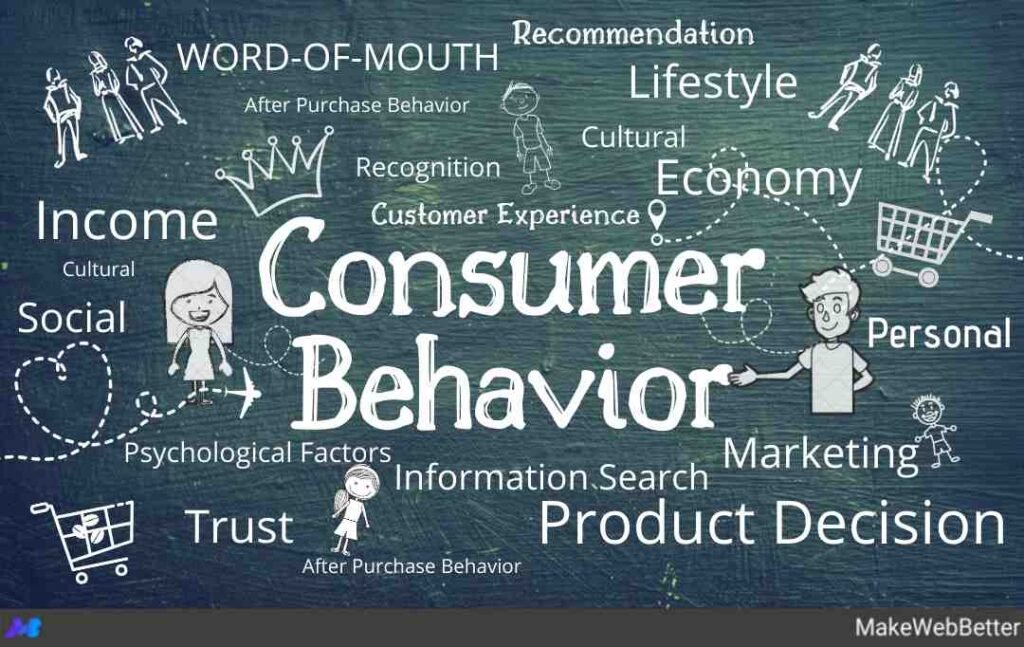
The Consumer Decision-Making Process
To understand how brands influence customers, it helps to look at the basic decision-making process from a psychological perspective:
- Problem recognition – The consumer realizes a need or desire
- Information search – They look for solutions or options
- Evaluation of alternatives – They compare brands and products
- Purchase decision – They choose and buy
- Post-purchase evaluation – They assess satisfaction or regret
At each stage, brands use consumer behavior psychology to guide decisions subtly and effectively.
Emotional Influence on Buying Decisions
One of the most powerful elements of consumer behavior psychology is emotion. Many purchasing decisions are driven more by feelings than logic.
Emotional Branding
Brands often aim to create emotional connections rather than just promote features. For example:
- Luxury brands evoke feelings of status and exclusivity
- Family-oriented brands emphasize warmth, trust, and nostalgia
- Adventure brands inspire excitement and freedom
When consumers associate positive emotions with a brand, they are more likely to choose it—even if alternatives are cheaper or more practical.
Fear and Desire
Fear of missing out (FOMO), fear of loss, and desire for pleasure are commonly used emotional triggers. Limited-time offers, countdown timers, and “only a few left” messages tap directly into consumer behavior psychology by creating urgency and emotional pressure.
The Role of Perception in Consumer Behavior Psychology
Perception refers to how consumers interpret information rather than the information itself. Brands carefully manage perception to shape how customers see them.
Brand Image and Positioning
A product’s perceived value often matters more than its actual value. For example, premium pricing can make a product appear higher quality, even if it is similar to lower-priced alternatives.
Through design, messaging, and tone, brands position themselves as:
- Affordable or premium
- Innovative or traditional
- Friendly or authoritative
Consumer behavior psychology shows that once a perception is formed, it strongly influences future decisions.
Social Influence and Consumer Behavior
Humans are social beings, and social influence is a core concept in consumer behavior psychology.
Social Proof
People tend to follow the actions of others, especially when uncertain. Brands leverage this by using:
- Customer reviews and ratings
- Testimonials
- Influencer endorsements
- “Best-selling” or “Most popular” labels
When consumers see others approving a product, it reduces perceived risk and increases trust.
Authority and Expertise
Endorsements from experts, professionals, or credible institutions tap into the psychological principle of authority. Consumers are more likely to trust and buy from brands that appear knowledgeable and credible.
Cognitive Biases Brands Use to Influence Decisions
Cognitive biases are mental shortcuts that help people make decisions quickly. Consumer behavior psychology shows that brands often design marketing strategies around these biases.
Anchoring Effect
The first price a consumer sees becomes a reference point. Showing a higher “original price” before a discounted price makes the deal seem more attractive, even if the discount is modest.
Scarcity Bias
People value things more when they believe they are limited. Messages like “limited edition” or “only 24 hours left” increase perceived value and urgency.
Confirmation Bias
Consumers prefer information that supports their existing beliefs. Brands reinforce customer beliefs through consistent messaging, which strengthens loyalty and repeat purchases.
The Power of Branding and Identity
Consumer behavior psychology highlights that consumers don’t just buy products—they buy identities.
Self-Concept and Brand Alignment
People choose brands that reflect who they are or who they want to be. For example:
- Eco-conscious consumers prefer sustainable brands
- Tech-savvy consumers gravitate toward innovative brands
- Fitness-focused individuals choose health-oriented brands
When a brand aligns with a consumer’s self-image, the emotional connection becomes stronger, leading to long-term loyalty.
Color Psychology and Visual Influence
Visual elements play a major role in consumer behavior psychology.
Color Psychology
Different colors evoke different emotions:
- Red creates urgency and excitement
- Blue builds trust and reliability
- Green suggests health and sustainability
- Black conveys luxury and sophistication
Brands carefully choose colors to influence mood and behavior, often without consumers consciously realizing it.
Design and Simplicity
Simple layouts, clean design, and easy navigation reduce cognitive effort. According to consumer behavior psychology, when decisions feel easier, consumers are more likely to complete a purchase.
Pricing Psychology and Consumer Perception
Pricing strategies are deeply rooted in consumer behavior psychology.
Psychological Pricing
Prices like $9.99 instead of $10 feel significantly cheaper due to how the brain processes numbers. This is known as “charm pricing.”
Value Perception
Bundling products, offering free shipping, or adding bonuses increases perceived value, even if the actual cost difference is minimal.
Consumers rarely evaluate price objectively; instead, they judge whether the price feels fair based on context and comparison.
The Impact of Trust and Brand Loyalty
Trust is a critical factor in consumer behavior psychology. Consumers are more likely to buy from brands they trust, even if alternatives exist.
Consistency and Transparency
Consistent messaging, quality, and customer experience build trust over time. Transparent policies, honest advertising, and responsive customer service reduce perceived risk.
Habit Formation
Once trust is established, purchasing becomes habitual. Consumer behavior psychology shows that habits reduce decision fatigue, making consumers more likely to repeat purchases without reconsidering alternatives.
Digital Marketing and Consumer Behavior Psychology
In digital environments, brands have more tools than ever to apply consumer behavior psychology.
Personalization
Personalized recommendations, emails, and ads make consumers feel understood. This increases engagement and conversion rates because the content feels relevant and timely.
User Experience (UX)
Fast load times, clear calls-to-action, and intuitive design reduce frustration. According to consumer behavior psychology, negative experiences trigger emotional resistance, leading consumers to abandon purchases.
Ethical Considerations in Influencing Consumers
While consumer behavior psychology is powerful, ethical use is essential. Manipulative tactics may drive short-term sales but damage trust and brand reputation in the long run.
Ethical brands use psychology to:
- Improve customer experience
- Provide genuine value
- Help consumers make informed decisions
Responsible application builds loyalty and sustainable growth.
Conclusion
Consumer behavior psychology explains how brands influence customer decisions through emotion, perception, social influence, and cognitive biases. From pricing strategies and visual design to branding and trust-building, every interaction shapes how consumers think and act.
Brands that understand consumer behavior psychology can create more meaningful connections, improve customer experiences, and drive long-term success. At the same time, informed consumers can make more conscious choices by recognizing the psychological factors at play.
In a world full of options, understanding the psychology behind consumer behavior is not just an advantage—it is a necessity for brands that want to stay relevant and trusted.