

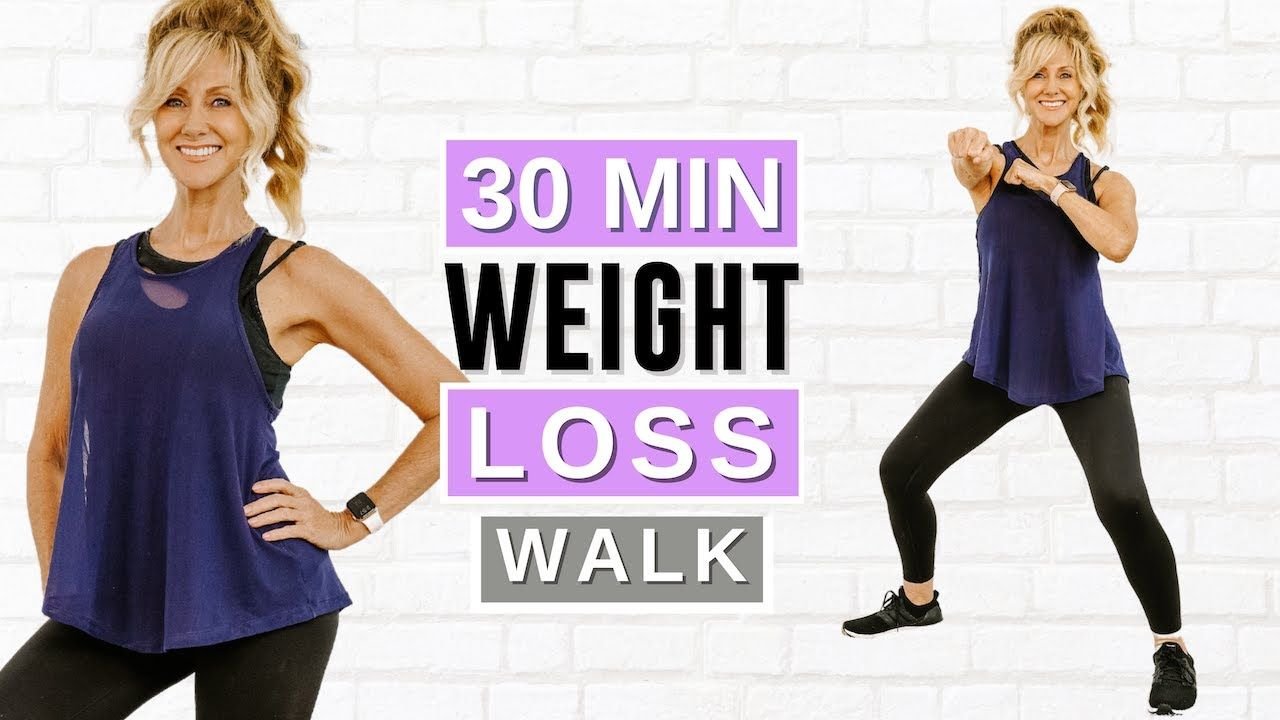
Losing weight after 40 can feel very different from losing weight in your 20s or 30s. Many people notice that the scale moves more slowly, belly fat becomes more stubborn, and old strategies no longer work. The good news is that weight loss after 40 is absolutely possible. You simply need a smarter, more realistic approach.
This guide explains how to lose weight after 40 by focusing on sustainable nutrition, age-appropriate exercise, and lifestyle habits that support long-term health.

Why Weight Loss Gets Harder After 40
Understanding what changes in your body is the first step to success.
1. Slower Metabolism
As you age, muscle mass naturally declines. Less muscle means fewer calories burned at rest, which slows metabolism.
2. Hormonal Changes
Hormones play a major role in fat storage:
- Estrogen changes in women can increase belly fat
- Testosterone declines in men can reduce muscle mass
These shifts make fat loss more challenging but not impossible.
3. Lifestyle Factors
Busy schedules, stress, poor sleep, and less physical activity all contribute to weight gain after 40.
Knowing these factors helps you adjust your strategy instead of blaming yourself.
Is It Still Possible to Lose Weight After 40?
Yes. With the right plan, you can lose weight safely and maintain it. The key to learning how to lose weight after 40 is focusing on health, consistency, and muscle preservation rather than extreme dieting.
Healthy weight loss after 40 typically means:
- Losing 0.5–1 pound per week
- Reducing body fat while maintaining muscle
- Improving energy, strength, and mobility
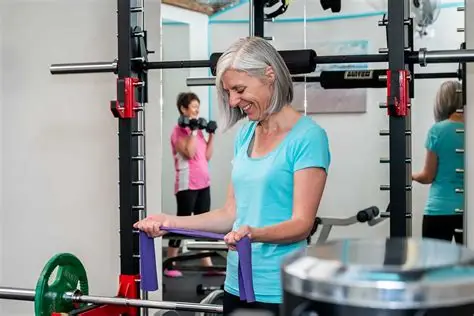
Nutrition Strategies for Weight Loss After 40
Diet becomes more important with age. Quality matters more than quantity.
1. Eat in a Moderate Calorie Deficit
Extreme calorie restriction can backfire by slowing metabolism and increasing muscle loss.
Aim for:
- A calorie deficit of 300–500 calories per day
- Slow, steady fat loss
This approach supports hormone balance and long-term success.

2. Prioritize Protein at Every Meal
Protein is essential when learning how to lose weight after 40.
Benefits of protein:
- Preserves muscle mass
- Controls appetite
- Supports metabolism
Good protein sources include:
- Eggs
- Lean meat and poultry
- Fish
- Greek yogurt
- Beans and lentils
Aim for protein at breakfast, lunch, and dinner.

3. Reduce Refined Carbs and Added Sugar
Refined carbs become harder to tolerate with age and often lead to fat gain.
Limit:
- White bread and pasta
- Sugary snacks
- Sweetened beverages
Choose instead:
- Whole grains
- Vegetables
- Fruits in moderation
Lowering sugar intake can quickly reduce bloating and belly fat.
4. Increase Fiber Intake
Fiber supports digestion, blood sugar control, and satiety.
High-fiber foods include:
- Vegetables
- Fruits
- Whole grains
- Seeds and legumes
Fiber helps you eat fewer calories without feeling deprived.
5. Don’t Fear Healthy Fats
Healthy fats support hormone production and fullness.
Include:
- Olive oil
- Avocados
- Nuts and seeds
- Fatty fish
Avoid trans fats and heavily processed foods.
Sample Balanced Meal Plan (After 40)
Breakfast
- Eggs with vegetables
- Greek yogurt with berries
Lunch
- Grilled chicken or fish
- Large vegetable salad with olive oil
Snack
- Fruit with nuts
- Cottage cheese
Dinner
- Lean protein
- Steamed or roasted vegetables
- Small portion of whole grains
Hydration: Aim for 2–3 liters of water daily.

Exercise Strategies That Work After 40
Exercise should support fat loss without overstressing the body.
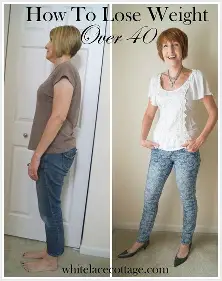
1. Strength Training Is Non-Negotiable
Strength training is the most important form of exercise for people over 40.
Benefits:
- Preserves and builds muscle
- Boosts metabolism
- Improves bone density
- Reduces injury risk
Train 2–4 times per week using:
- Squats
- Lunges
- Push-ups
- Rows
- Deadlifts
- Planks
Focus on proper form rather than heavy weights.

2. Cardio for Heart Health and Fat Loss
Cardio helps burn calories and improve endurance.
Best options:
- Brisk walking
- Cycling
- Swimming
- Elliptical training
Aim for 30–45 minutes, 3–5 times per week.
Walking is especially effective and gentle on joints.
3. Use HIIT Carefully
High-Intensity Interval Training can be effective, but recovery is slower after 40.
Tips:
- Limit HIIT to 1–2 sessions per week
- Keep workouts short (15–20 minutes)
- Focus on low-impact movements
Listen to your body to avoid burnout or injury.
4. Improve Mobility and Flexibility
Joint health becomes more important with age.
Include:
- Stretching
- Yoga
- Mobility exercises
These reduce injury risk and improve movement quality.
Lifestyle Habits That Support Weight Loss After 40
1. Prioritize Quality Sleep
Poor sleep increases hunger hormones and fat storage.
Aim for:
- 7–9 hours of sleep per night
Good sleep improves recovery, metabolism, and energy.
2. Manage Stress Effectively
Chronic stress raises cortisol, which promotes belly fat.
Stress-management strategies:
- Deep breathing
- Meditation
- Walking outdoors
- Limiting overcommitment
Reducing stress supports hormonal balance and fat loss.
3. Limit Alcohol Intake
Alcohol slows fat loss and disrupts sleep.
If weight loss is your goal:
- Reduce frequency
- Avoid sugary drinks
- Practice moderation
Common Weight Loss Mistakes After 40
When learning how to lose weight after 40, avoid these common mistakes:
- Eating too little
- Skipping strength training
- Overdoing cardio
- Ignoring recovery
- Expecting fast results
Consistency always beats intensity.
How Long Does Weight Loss Take After 40?
Weight loss may be slower, but it is more sustainable.
Most people notice:
- Improved energy in 2–3 weeks
- Fat loss in 4–6 weeks
- Visible body changes in 8–12 weeks
The goal is long-term health, not rapid scale changes.
What Results Can You Expect?
With consistent habits, you can expect:
- Gradual weight loss
- Reduced belly fat
- Improved muscle tone
- Better energy and mood
- Improved blood sugar and heart health
These benefits go far beyond appearance.

Final Thoughts
Understanding how to lose weight after 40 requires a shift in mindset. It’s no longer about extreme dieting or exhausting workouts. Instead, success comes from balanced nutrition, strength training, stress management, and patience.
By focusing on muscle preservation, whole foods, consistent movement, and healthy lifestyle habits, you can lose weight, feel stronger, and improve your overall health—at any age.