

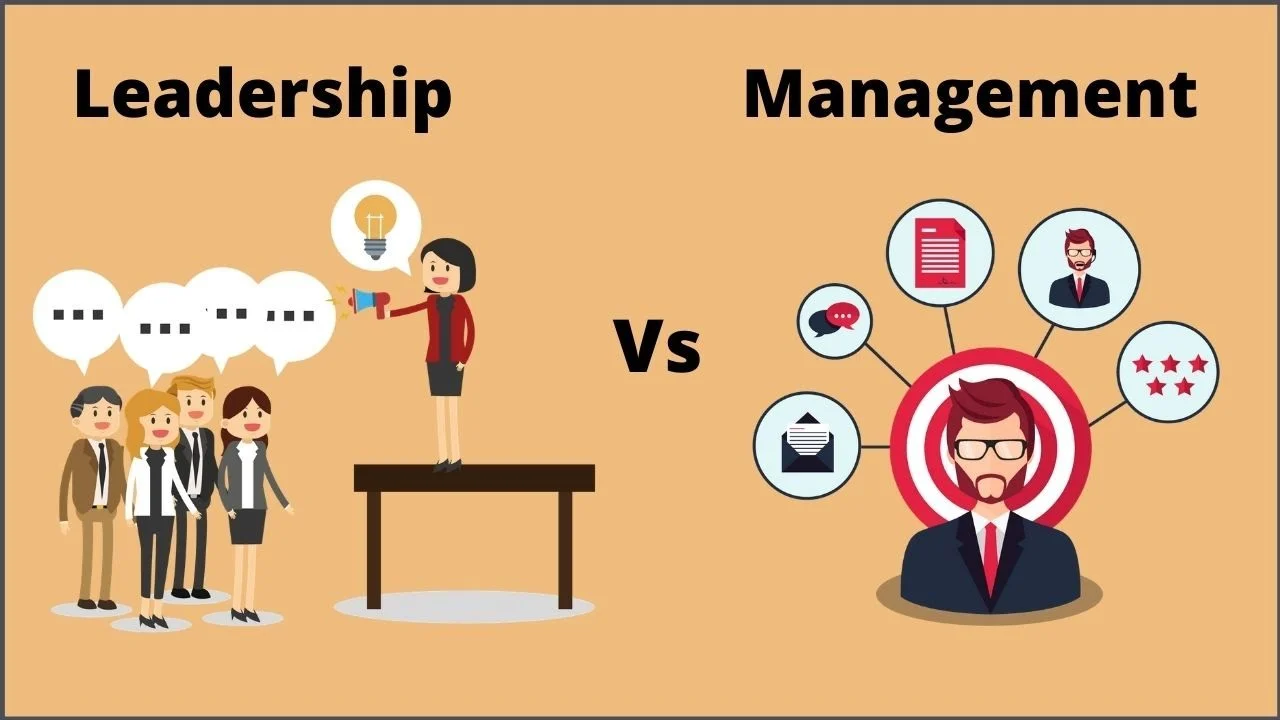
In today’s competitive and fast-changing business environment, leadership management skills are no longer optional—they are essential. Organizations depend on managers who can not only oversee tasks but also lead people, manage change, and deliver results consistently. Successful managers balance strategic thinking with people management, ensuring that teams stay motivated, productive, and aligned with organizational goals.
This article explores the most important leadership management skills every successful manager must master, explained in a clear, practical, and easy-to-understand way.
What Are Leadership Management Skills?
Leadership management skills combine the ability to lead people and manage processes effectively. Leadership focuses on vision, influence, and inspiration, while management emphasizes planning, organizing, and execution. When combined, these skills enable managers to guide teams toward success while maintaining efficiency and accountability.
A manager with strong leadership management skills can:
- Inspire and motivate employees
- Make sound decisions under pressure
- Build trust and collaboration
- Align team performance with business goals
1. Clear and Effective Communication
Communication is the foundation of all leadership management skills. Successful managers communicate clearly, consistently, and confidently. They ensure that goals, expectations, and responsibilities are understood by everyone on the team.
Effective communication includes:
- Explaining tasks and objectives clearly
- Listening actively to employee concerns
- Providing constructive feedback
- Encouraging open and honest dialogue
When communication is strong, misunderstandings decrease, productivity increases, and trust grows within the team.
2. Emotional Intelligence
Emotional intelligence is one of the most critical leadership management skills in modern workplaces. It refers to the ability to understand, manage, and respond appropriately to emotions—both your own and those of others.
Managers with high emotional intelligence:
- Show empathy toward team members
- Stay calm under pressure
- Handle conflict professionally
- Build strong interpersonal relationships
This skill helps managers create a supportive work environment where employees feel valued and respected.
3. Decision-Making and Problem-Solving
Every manager faces decisions daily, from routine operational choices to complex strategic challenges. Strong leadership management skills involve making informed, timely, and confident decisions.
Effective decision-making includes:
- Analyzing relevant data
- Weighing risks and benefits
- Considering team input when appropriate
- Taking responsibility for outcomes
Good problem-solving skills allow managers to address issues quickly, minimize disruption, and keep teams focused on solutions rather than problems.
4. Strategic Thinking and Vision
Strategic thinking separates average managers from exceptional leaders. Leadership management skills require seeing the bigger picture and understanding how daily activities connect to long-term goals.
Strategic managers:
- Set clear priorities
- Align team efforts with organizational objectives
- Anticipate future challenges and opportunities
- Make decisions that support sustainable growth
By communicating a clear vision, managers help employees understand the purpose behind their work.
5. Team Building and Collaboration
Successful leadership management is not about individual performance—it’s about team success. Managers must know how to build strong, diverse teams and encourage collaboration.
Key aspects of team-building include:
- Recognizing individual strengths
- Promoting mutual respect
- Encouraging knowledge sharing
- Creating a sense of belonging
When collaboration is strong, teams are more innovative, engaged, and resilient.
6. Delegation and Time Management
One common mistake new managers make is trying to do everything themselves. Effective delegation is a vital leadership management skill that improves efficiency and empowers employees.
Successful managers:
- Assign tasks based on skills and strengths
- Set clear expectations and deadlines
- Trust team members to deliver results
- Avoid micromanagement
Strong time management ensures that managers focus on high-impact activities while maintaining work-life balance.
7. Adaptability and Change Management
Change is constant in today’s workplace, whether due to technology, market shifts, or organizational restructuring. Leadership management skills include the ability to adapt and guide teams through change effectively.
Adaptable managers:
- Remain flexible in uncertain situations
- Communicate changes clearly
- Address employee concerns honestly
- Maintain focus and morale during transitions
Managers who handle change well help their teams stay confident and productive, even during challenging periods.
8. Coaching and Employee Development
One of the most valuable leadership management skills is the ability to develop others. Successful managers act as coaches, helping employees grow professionally and personally.
This includes:
- Providing regular feedback
- Identifying skill gaps
- Supporting training and learning opportunities
- Encouraging career development
When managers invest in employee growth, engagement, loyalty, and performance improve significantly.
9. Conflict Resolution
Conflict is inevitable in any team environment. Effective leadership management skills enable managers to address conflict early and resolve it constructively.
Strong conflict resolution involves:
- Listening to all perspectives
- Remaining neutral and objective
- Focusing on solutions, not blame
- Encouraging respectful communication
Managers who handle conflict professionally maintain trust and prevent small issues from escalating.
10. Accountability and Performance Management
Accountability is a cornerstone of leadership management skills. Successful managers set clear expectations and hold themselves and their teams responsible for results.
Performance management includes:
- Setting measurable goals
- Monitoring progress
- Addressing performance issues promptly
- Recognizing and rewarding achievements
A culture of accountability drives consistency, fairness, and high performance.
11. Integrity and Ethical Leadership
Integrity builds credibility and trust. Managers with strong leadership management skills lead by example and act ethically in all situations.
Ethical managers:
- Make fair and transparent decisions
- Treat employees with respect
- Uphold company values
- Take responsibility for mistakes
Integrity strengthens relationships and creates a positive organizational culture.
12. Motivation and Employee Engagement
Motivating employees goes beyond financial rewards. Effective leadership management skills include understanding what drives individuals and keeping them engaged.
Successful managers motivate teams by:
- Recognizing contributions
- Providing meaningful work
- Offering growth opportunities
- Creating a positive work environment
Engaged employees are more productive, committed, and innovative.
13. Resilience and Stress Management
Managers often face pressure from multiple directions. Leadership management skills include resilience—the ability to stay focused and effective under stress.
Resilient managers:
- Manage stress proactively
- Maintain a positive mindset
- Support team well-being
- Lead calmly during crises
This skill helps managers sustain performance over the long term.
Why Leadership Management Skills Matter More Than Ever
Modern workplaces demand managers who can balance people leadership with operational excellence. Strong leadership management skills improve:
- Employee retention
- Team productivity
- Organizational agility
- Overall business performance
Companies with effective leaders are better equipped to handle change, competition, and growth.
How to Develop Leadership Management Skills
Leadership management skills can be learned and strengthened over time. Managers can develop these skills by:
- Seeking feedback from peers and teams
- Participating in leadership training
- Learning from experienced mentors
- Reflecting on successes and failures
Continuous improvement is key to becoming a successful manager.
Conclusion
Leadership management skills every successful manager must master go far beyond basic supervision. They include communication, emotional intelligence, decision-making, adaptability, coaching, and integrity. Managers who develop these skills create strong teams, drive performance, and build lasting organizational success.
By consistently improving leadership management skills, managers position themselves not only as effective leaders today but also as future-ready professionals capable of navigating any challenge.