

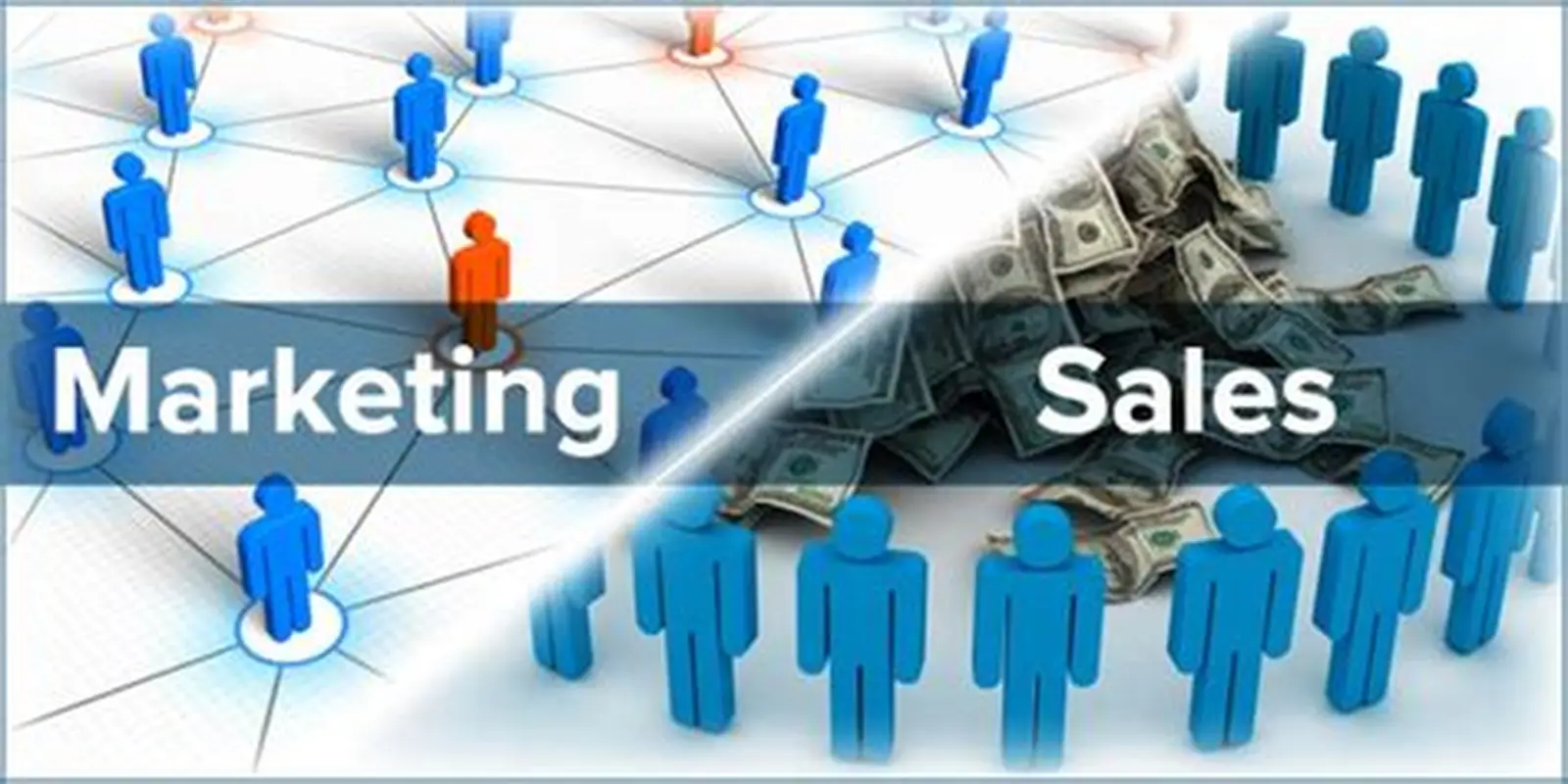
In today’s competitive business environment, companies can no longer treat marketing and sales as separate functions. To achieve sustainable growth, organizations need marketing sales strategies that attract the right audience, convert prospects into customers, and increase long-term revenue. When marketing and sales work together with a shared strategy, businesses can generate higher-quality leads, improve conversion rates, and maximize return on investment.
This article explains the most effective marketing sales strategies in a clear, practical, and easy-to-understand way.
What Are Marketing Sales Strategies?
Marketing sales strategies are coordinated approaches that align marketing activities with sales goals. Marketing focuses on generating awareness and leads, while sales concentrates on converting those leads into paying customers. When both teams share data, goals, and processes, the entire customer journey becomes smoother and more effective.
Strong marketing sales strategies help businesses:
- Attract qualified leads
- Shorten the sales cycle
- Improve conversion rates
- Increase customer lifetime value
1. Align Marketing and Sales Teams
One of the most important marketing sales strategies is alignment between marketing and sales. Misalignment often leads to wasted leads, missed opportunities, and lower revenue.
To achieve alignment:
- Define a shared target audience
- Agree on lead qualification criteria
- Set common goals and KPIs
- Hold regular communication meetings
When marketing and sales teams collaborate, leads are handled more effectively, and customers receive consistent messaging throughout the buying process.
2. Define and Understand Your Target Audience
Effective marketing sales strategies begin with a deep understanding of your ideal customer. Knowing who you are targeting allows you to create relevant messaging and offers that resonate.
Key steps include:
- Creating detailed buyer personas
- Identifying customer pain points
- Understanding buying behavior and preferences
- Segmenting audiences based on needs
Targeted campaigns generate higher-quality leads and improve conversion rates.
3. Build a High-Converting Sales Funnel
A well-structured sales funnel is a core element of successful marketing sales strategies. The funnel guides prospects from awareness to purchase through clearly defined stages.
Typical funnel stages include:
- Awareness: Attracting potential customers
- Interest: Educating and engaging leads
- Consideration: Presenting solutions and value
- Conversion: Closing the sale
Optimizing each stage ensures prospects receive the right message at the right time, increasing the likelihood of conversion.
4. Use Content Marketing to Generate Leads
Content marketing plays a critical role in modern marketing sales strategies. High-quality content attracts, educates, and nurtures potential customers.
Effective content types include:
- Blog posts and articles
- Whitepapers and eBooks
- Case studies and testimonials
- Videos and webinars
By providing valuable information, businesses build trust and position themselves as industry authorities, making it easier for sales teams to close deals.
5. Leverage Digital Marketing Channels
Digital channels are essential for reaching today’s customers. Successful marketing sales strategies use a mix of digital marketing tactics to drive traffic and leads.
Key channels include:
- Search engine optimization (SEO)
- Pay-per-click (PPC) advertising
- Social media marketing
- Email marketing
Using multiple channels increases visibility and creates more opportunities for lead generation and conversion.
6. Implement Lead Nurturing Campaigns
Not all leads are ready to buy immediately. Lead nurturing is a vital part of effective marketing sales strategies, helping move prospects through the funnel over time.
Lead nurturing involves:
- Sending personalized email sequences
- Sharing relevant content based on behavior
- Addressing objections and concerns
- Maintaining consistent communication
Nurtured leads are more informed, more engaged, and more likely to convert.
7. Optimize Conversion Rates
Generating leads is only half the process. Strong marketing sales strategies focus on improving conversion rates at every stage of the customer journey.
Conversion rate optimization includes:
- Improving website user experience
- Using clear calls to action
- Simplifying forms and checkout processes
- Testing landing pages and offers
Small improvements in conversion rates can lead to significant revenue growth.
8. Use Data and Analytics to Drive Decisions
Data-driven decision-making is essential for modern marketing sales strategies. Analytics provide insights into what works and what doesn’t.
Key metrics to track include:
- Lead conversion rates
- Cost per lead and acquisition
- Sales cycle length
- Customer lifetime value
By analyzing data regularly, businesses can refine strategies and allocate resources more effectively.
9. Leverage Marketing and Sales Automation
Automation helps scale marketing sales strategies efficiently. Marketing automation tools streamline repetitive tasks and ensure consistent communication.
Automation can support:
- Email marketing campaigns
- Lead scoring and segmentation
- CRM integration
- Follow-up and reminders
Sales automation allows teams to focus on high-value activities, improving productivity and revenue outcomes.
10. Personalize the Customer Experience
Personalization is no longer optional. Effective marketing sales strategies tailor messaging and offers to individual customer needs.
Personalization includes:
- Using customer data to customize content
- Addressing prospects by name
- Recommending relevant products or services
- Delivering targeted offers
Personalized experiences increase engagement, trust, and conversion rates.
11. Strengthen Trust with Social Proof
Trust plays a major role in purchasing decisions. Marketing sales strategies should incorporate social proof to build credibility.
Examples of social proof include:
- Customer testimonials
- Reviews and ratings
- Case studies
- Industry certifications
Social proof reassures prospects and reduces hesitation during the buying process.
12. Improve Sales Follow-Up Processes
Timely follow-up is critical to conversion success. Strong marketing sales strategies ensure that leads are contacted quickly and consistently.
Best practices include:
- Responding to inquiries promptly
- Using structured follow-up sequences
- Tracking interactions in a CRM system
- Aligning follow-up with customer intent
Effective follow-up significantly increases close rates.
13. Focus on Customer Retention and Upselling
Revenue growth doesn’t end with the first sale. Long-term marketing sales strategies focus on retention, upselling, and cross-selling.
Retention strategies include:
- Ongoing customer communication
- Loyalty programs and incentives
- Personalized offers for existing customers
- Continuous value delivery
Retaining customers is more cost-effective than acquiring new ones and drives sustainable growth.
Why Marketing Sales Strategies Drive Business Growth
When marketing and sales work together under a unified strategy, businesses experience:
- Higher-quality leads
- Shorter sales cycles
- Improved customer satisfaction
- Increased revenue and profitability
Strong marketing sales strategies create a seamless customer journey from first contact to long-term loyalty.
How to Build Effective Marketing Sales Strategies
To develop effective marketing sales strategies:
- Align teams around shared goals
- Invest in data, tools, and automation
- Focus on customer needs and experiences
- Continuously test and optimize approaches
Success comes from consistency, collaboration, and ongoing improvement.
Conclusion
Marketing sales strategies that drive leads, conversions, and revenue growth are essential for modern business success. By aligning marketing and sales teams, leveraging digital channels, optimizing conversions, and focusing on customer relationships, businesses can create a scalable growth engine.
Organizations that continuously refine their marketing sales strategies will not only attract more leads but also convert them into loyal customers and long-term revenue.