

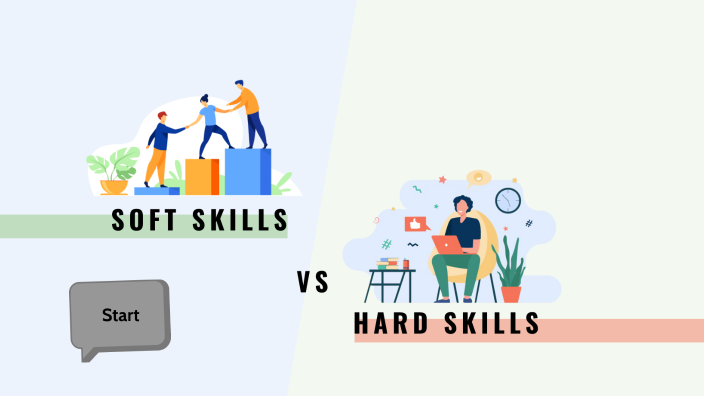
In today’s competitive job market, having the right skills can make the difference between career stagnation and long-term success. Employers no longer focus only on technical abilities or academic qualifications. Instead, they look for a balanced mix of competencies that allow individuals to perform tasks efficiently and work effectively with others. This is why understanding Soft Skills vs Hard Skills: Understanding the Core Differences for Career Growth is essential for anyone looking to advance professionally.
Both soft skills and hard skills play a vital role in career development. However, they serve different purposes and impact career growth in unique ways. This article explains what soft skills and hard skills are, highlights their differences, and shows why mastering both is key to long-term career success.

What Are Hard Skills?
Hard skills are specific, teachable abilities that can be measured and tested. These skills are usually acquired through education, training programs, certifications, or hands-on experience. Hard skills are often job-specific and directly related to performing technical tasks.
Examples of Hard Skills
- Programming languages (Python, Java, SQL)
- Data analysis and statistical skills
- Accounting and financial reporting
- Graphic design and video editing
- Foreign language proficiency
- Project management tools (Agile, Scrum, MS Project)
Hard skills are usually listed clearly in job descriptions and resumes because they demonstrate whether a candidate is technically qualified for a role.
What Are Soft Skills?
Soft skills are personal attributes and interpersonal abilities that influence how individuals interact with others and handle work situations. Unlike hard skills, they are more difficult to measure but are equally important in determining professional success.
Examples of Soft Skills
- Communication skills
- Leadership and teamwork
- Problem-solving and critical thinking
- Time management
- Emotional intelligence
- Adaptability and flexibility
Soft skills shape how people work with colleagues, manage challenges, and contribute to a positive workplace culture.
Soft Skills vs Hard Skills: Understanding the Core Differences for Career Growth
To fully understand Soft Skills vs Hard Skills: Understanding the Core Differences for Career Growth, it is important to compare them across several dimensions.
1. Nature of Skills
Hard skills are technical and task-oriented. They focus on what you can do. Soft skills are behavioral and people-oriented. They focus on how you do it.
For example, knowing how to code is a hard skill, while explaining technical concepts clearly to a non-technical team is a soft skill.
2. How They Are Learned
Hard skills are typically learned through formal education, training courses, or certifications. They follow a structured learning process and can be improved with practice.
Soft skills are developed over time through real-life experiences, self-awareness, and continuous interaction with others. They are often shaped by personality, environment, and workplace exposure.
3. How They Are Measured
Hard skills are easy to measure and test. Employers can evaluate them through exams, assignments, technical interviews, or certifications.
Soft skills are more subjective and are often assessed through behavioral interviews, workplace observations, and performance feedback.
4. Role in Hiring Decisions
Hard skills are usually the first filter in the hiring process. Employers use them to shortlist candidates who meet technical job requirements.
Soft skills often determine the final hiring decision. When multiple candidates have similar technical abilities, soft skills such as communication, teamwork, and attitude become deciding factors.
Why Hard Skills Matter for Career Growth
Hard skills form the foundation of professional competence. Without the required technical skills, it is difficult to enter or progress in most careers.
Key Benefits of Hard Skills
- Enable job entry and role eligibility
- Increase productivity and efficiency
- Support specialization and expertise
- Improve employability and earning potential
For example, a software developer must have strong coding skills to perform effectively. Similarly, an accountant must understand financial regulations and reporting standards.
Why Soft Skills Matter for Career Growth
While hard skills may help you get a job, soft skills help you keep and grow in that job. This is a key reason why Soft Skills vs Hard Skills: Understanding the Core Differences for Career Growth is such an important topic.
Key Benefits of Soft Skills
- Improve workplace relationships
- Enhance leadership and management ability
- Support conflict resolution and collaboration
- Increase adaptability to change
Employees with strong soft skills are often seen as reliable, professional, and leadership-ready, making them more likely to be promoted.
The Growing Importance of Soft Skills in the Modern Workplace
Automation, artificial intelligence, and digital tools are changing how work is done. Many technical tasks can now be automated, but human-centered skills cannot.
Soft skills such as creativity, emotional intelligence, and communication are becoming more valuable because they:
- Cannot be easily automated
- Improve customer experience
- Support innovation and teamwork
As a result, employers increasingly prioritize soft skills alongside technical expertise.
Soft Skills vs Hard Skills: Which Is More Important?
The debate over soft skills vs hard skills often leads to a simple conclusion: both are essential. However, their importance may vary depending on career stage and role.
- Entry-level roles: Hard skills are more important to prove technical competence.
- Mid-level roles: A balance of hard and soft skills is required.
- Leadership roles: Soft skills often become more critical than technical skills.
Understanding Soft Skills vs Hard Skills: Understanding the Core Differences for Career Growth helps professionals develop the right mix of skills at each stage of their careers.

How Soft Skills and Hard Skills Work Together
Soft skills and hard skills are not opposites; they complement each other. Career success comes from using both effectively.
For example:
- A marketer may have strong data analysis skills (hard skill) but also needs communication skills (soft skill) to present insights.
- A project manager needs technical planning tools (hard skills) and leadership abilities (soft skills) to guide teams successfully.
Employers value professionals who can combine technical knowledge with strong interpersonal abilities.
How to Develop Hard Skills
Developing hard skills requires focused learning and practice.
Effective Ways to Build Hard Skills
- Enroll in online courses or certification programs
- Attend workshops and professional training
- Gain hands-on experience through projects
- Stay updated with industry trends and tools
Continuous learning ensures that hard skills remain relevant in a changing job market.
How to Develop Soft Skills
Soft skills require self-awareness and intentional effort to improve.
Effective Ways to Build Soft Skills
- Practice active listening and clear communication
- Seek feedback from peers and supervisors
- Take leadership roles in teams or projects
- Work on emotional intelligence and adaptability
Improving soft skills is a gradual process, but the long-term impact on career growth is significant.
Soft Skills vs Hard Skills on Your Resume
Understanding Soft Skills vs Hard Skills: Understanding the Core Differences for Career Growth also helps when writing resumes and preparing for interviews.
Resume Tips
- List hard skills in a dedicated “Skills” section
- Demonstrate soft skills through achievements and results
- Use action verbs to show impact
Interview Tips
- Provide examples that show both technical ability and interpersonal skills
- Highlight how soft skills helped solve problems or improve outcomes
Employers want evidence, not just claims.
The Role of Soft Skills and Hard Skills in Career Advancement
Career advancement depends on more than technical performance. As responsibilities grow, professionals are expected to manage people, communicate effectively, and make strategic decisions.
Hard skills ensure competence.
Soft skills enable influence, leadership, and trust.
Together, they create a well-rounded professional profile that supports long-term career growth.
Conclusion
Understanding Soft Skills vs Hard Skills: Understanding the Core Differences for Career Growth is crucial in today’s evolving workplace. Hard skills provide the technical foundation needed to perform a job, while soft skills determine how effectively individuals collaborate, lead, and adapt.
Career growth is strongest when both skill sets are developed together. Professionals who invest in continuous learning, self-improvement, and balanced skill development are better positioned for success, stability, and advancement in any industry.
In the long run, it is not just what you know, but how you apply it and work with others that defines true career growth.