


In an increasingly uncertain global environment, businesses face constant disruptions—from economic instability and geopolitical tensions to natural disasters and pandemics. These challenges have made one thing clear: resilience is no longer optional. Companies must focus on building a resilient supply chain to ensure continuity, reduce risks, and maintain competitive advantage.
A resilient supply chain is not just about reacting to disruptions; it is about anticipating risks, adapting quickly, and recovering efficiently. This article explores practical risk management strategies that work and help organizations strengthen their supply chains for long-term success.
What Is a Resilient Supply Chain?
A resilient supply chain is one that can withstand disruptions, adapt to changing conditions, and recover quickly from unexpected events. It combines flexibility, visibility, and strong risk management practices.
Key characteristics include:
- Flexibility in sourcing and operations
- Real-time visibility across the supply chain
- Strong relationships with suppliers
- Effective risk management and contingency planning
Building a resilient supply chain ensures that businesses can continue operating even under challenging circumstances.
Why Resilience Matters More Than Ever
Global disruptions have exposed weaknesses in traditional supply chains, especially those focused solely on cost efficiency. Lean systems with minimal inventory and limited supplier options often struggle during crises.
By building a resilient supply chain, businesses can:
- Minimize operational disruptions
- Protect revenue and customer satisfaction
- Improve response times during crises
- Maintain stability in uncertain environments
Resilience is now a critical component of modern supply chain management.
Key Risks in Supply Chains
Before implementing strategies, it’s important to understand the types of risks that affect supply chains:
1. Supplier Risks
Dependence on a single supplier or region can lead to disruptions if that source fails.
2. Operational Risks
Internal inefficiencies, equipment failures, or workforce issues can impact performance.
3. Logistics Risks
Transportation delays, port congestion, and infrastructure issues can disrupt delivery.
4. Demand Risks
Sudden changes in customer demand can lead to overstocking or shortages.
5. External Risks
Geopolitical events, natural disasters, and regulatory changes can affect the entire supply chain.
Identifying these risks is the first step in building a resilient supply chain.
Proven Risk Management Strategies That Work
1. Diversify Suppliers and Sourcing
Relying on a single supplier is one of the biggest vulnerabilities in a supply chain. Diversification reduces dependency and increases flexibility.
Best practices:
- Source from multiple suppliers in different regions
- Develop backup supplier options
- Regularly assess supplier performance and risk
This strategy ensures continuity even if one supplier is disrupted.
2. Improve Supply Chain Visibility
Visibility is essential for identifying risks and responding quickly. Without it, businesses operate blindly.
Ways to enhance visibility:
- Implement real-time tracking systems
- Use centralized data platforms
- Monitor inventory and shipments continuously
Improved visibility allows companies to detect issues early and take proactive measures.
3. Develop Strong Supplier Relationships
Collaboration with suppliers is critical for resilience. Strong relationships lead to better communication and support during disruptions.
How to strengthen relationships:
- Maintain open and transparent communication
- Share forecasts and demand plans
- Collaborate on risk management strategies
Trusted partnerships improve reliability and reduce uncertainty.
4. Build Strategic Inventory Buffers
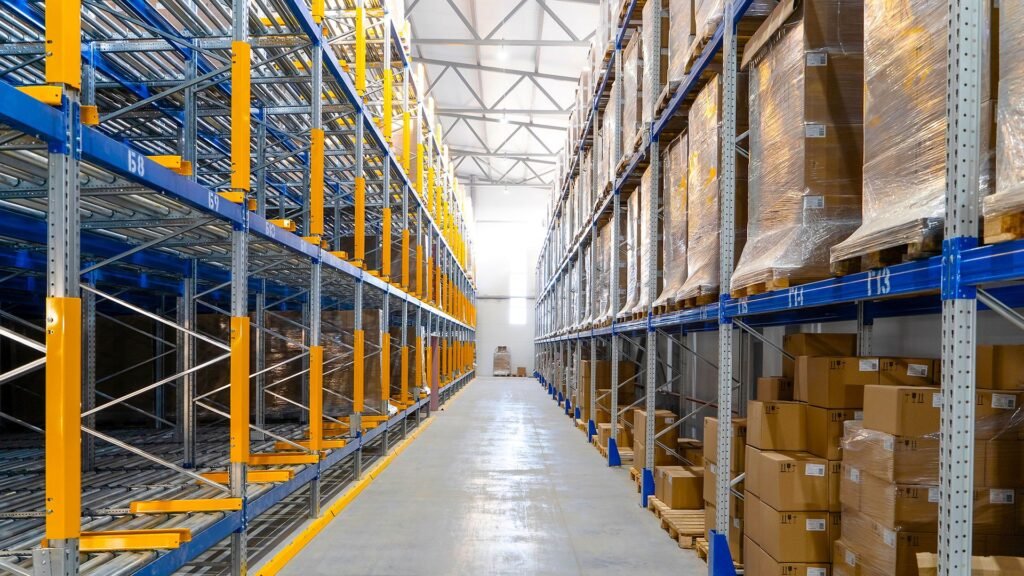
While lean inventory systems reduce costs, they can increase risk. Maintaining strategic buffers ensures availability during disruptions.
Key approaches:
- Identify critical products and maintain safety stock
- Use demand forecasting to guide inventory levels
- Balance cost efficiency with risk management
Inventory buffers act as a safety net during supply chain disruptions.
5. Invest in Digital Technologies
Technology plays a crucial role in modern risk management. Digital tools provide insights, improve coordination, and enable faster decision-making.
Important technologies include:
- Artificial intelligence for predictive analytics
- Cloud-based supply chain platforms
- Internet of Things (IoT) for real-time tracking
- Automation in operations
These tools help businesses anticipate risks and respond effectively.
6. Implement Scenario Planning
Scenario planning prepares businesses for different types of disruptions. Instead of reacting, companies can act with a clear plan.
Steps to follow:
- Identify potential risk scenarios
- Develop response strategies for each scenario
- Test plans through simulations and drills
Preparedness reduces panic and improves response efficiency.
7. Strengthen Logistics and Distribution Networks
Logistics disruptions can significantly impact supply chains. A flexible and robust transportation network is essential.
Strategies include:
- Partnering with multiple logistics providers
- Using alternative routes and transportation modes
- Establishing regional distribution centers
A strong logistics network ensures smooth operations even during disruptions.
8. Enhance Operational Flexibility
Flexibility allows businesses to adapt quickly to changing conditions. Rigid systems struggle during disruptions.
Ways to improve flexibility:
- Use adaptable manufacturing processes
- Enable quick product substitutions
- Adjust production based on demand changes
Flexible operations are key to building a resilient supply chain.
9. Focus on Data-Driven Decision Making
Data is a powerful tool for managing risk. Companies that use data effectively can make better decisions and respond faster.
Key actions:
- Collect data across all supply chain activities
- Use analytics to identify trends and risks
- Monitor key performance indicators (KPIs)
Data-driven insights improve accuracy and reduce uncertainty.
10. Prioritize Sustainability
Sustainability is closely linked to resilience. Environmentally responsible practices often make supply chains more robust.
Examples:
- Sourcing locally to reduce transportation risks
- Reducing waste and improving efficiency
- Using renewable energy in operations
Sustainable supply chains are better prepared for long-term challenges.
Overcoming Challenges in Building Resilience
While the benefits are clear, building a resilient supply chain comes with challenges:
Higher Costs
Investing in redundancy and technology can increase expenses.
Complexity
Managing multiple suppliers and systems adds complexity.
Resistance to Change
Employees and stakeholders may resist new processes.
Technology Integration
Implementing new systems can be difficult.
To overcome these challenges, businesses should focus on long-term value and adopt a phased implementation approach.
The Role of Leadership
Leadership plays a critical role in building a resilient supply chain. Strong leaders drive change, encourage innovation, and prioritize resilience.
Effective leaders:
- Promote a risk-aware culture
- Invest in training and development
- Align supply chain strategies with business goals
- Encourage continuous improvement
Leadership commitment ensures that resilience becomes a core part of the organization.
Future Trends in Supply Chain Resilience
As businesses continue building resilient supply chains, several trends are emerging:
Regionalization
Companies are shifting to regional supply chains to reduce dependency on global networks.
Increased Use of Technology
Advanced technologies are improving risk management and decision-making.
Focus on Collaboration
Greater collaboration between supply chain partners is enhancing resilience.
Resilience Metrics
Businesses are developing new ways to measure resilience, not just efficiency.
These trends highlight the growing importance of resilience in supply chain management.
Conclusion
In today’s unpredictable world, building a resilient supply chain is essential for business success. Companies must go beyond traditional efficiency-focused models and adopt strategies that prioritize flexibility, visibility, and risk management.
By diversifying suppliers, investing in technology, improving visibility, and strengthening relationships, organizations can create supply chains that withstand disruptions and recover quickly. While challenges exist, the long-term benefits of resilience far outweigh the costs.
Risk management strategies that work are those that are proactive, data-driven, and adaptable. Businesses that embrace these approaches will be better prepared for future uncertainties and positioned for sustainable growth.
Ultimately, resilience is not just about surviving disruptions—it’s about thriving despite them.