

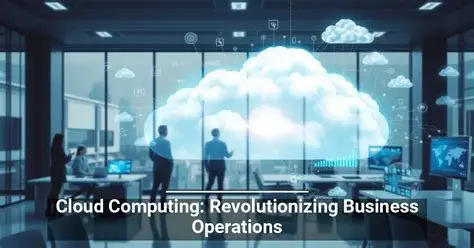
In the modern digital economy, businesses are rapidly adopting new technologies to stay competitive and efficient. One of the most transformative innovations is cloud computing in business. As we move through 2026, cloud technology continues to reshape how organizations manage data, operate systems, and deliver services.
From small startups to large enterprises, companies are leveraging the cloud to improve flexibility, reduce costs, and enhance performance. This article explores how cloud computing in business is revolutionizing information systems, along with its benefits, technologies, challenges, and future trends.
What Is Cloud Computing?
Cloud computing refers to the delivery of computing services—such as storage, servers, databases, networking, and software—over the internet. Instead of relying on physical hardware and on-site infrastructure, businesses can access these services remotely.
Key types of cloud services include:
- Infrastructure as a Service (IaaS) – Provides virtualized computing resources
- Platform as a Service (PaaS) – Offers development and deployment platforms
- Software as a Service (SaaS) – Delivers software applications online
These models allow businesses to choose solutions that best fit their needs.

The Role of Cloud Computing in Modern Business
Cloud computing plays a central role in modern information systems. It enables businesses to store, process, and analyze data efficiently while supporting real-time operations.
With cloud computing in business, organizations can:
- Access systems from anywhere
- Collaborate in real time
- Scale resources based on demand
- Reduce reliance on physical infrastructure
This flexibility is essential in today’s fast-paced and remote-friendly work environment.
How Cloud Computing Is Revolutionizing Information Systems
1. Enabling Real-Time Data Access
Traditional systems often limit access to specific locations or devices. Cloud computing removes these barriers by providing real-time access to data from anywhere.
Benefits include:
- Faster decision-making
- Improved collaboration
- Increased productivity
Employees can work efficiently whether they are in the office or remote.
2. Enhancing Scalability and Flexibility
One of the biggest advantages of cloud computing in business is scalability. Companies can easily increase or decrease resources based on demand.
For example:
- E-commerce platforms can handle peak traffic during sales
- Startups can scale operations as they grow
This flexibility ensures that businesses only pay for what they use.
3. Reducing IT Costs
Cloud computing eliminates the need for expensive hardware and maintenance.
Cost-saving benefits:
- No upfront infrastructure investment
- Reduced maintenance and upgrade costs
- Pay-as-you-go pricing models
This makes cloud solutions accessible even for small businesses.
4. Improving Collaboration and Communication
Cloud-based tools allow teams to collaborate in real time, regardless of location.
Examples include:
- Shared documents and workspaces
- Video conferencing platforms
- Project management tools
Improved collaboration leads to faster project completion and better results.
5. Strengthening Data Security
Security is a major concern for businesses, and cloud providers invest heavily in protecting data.
Key security features:
- Data encryption
- Multi-factor authentication
- Regular security updates
- Backup and recovery systems
While no system is completely risk-free, cloud computing often provides stronger security than traditional setups.
Key Technologies Driving Cloud Computing in 2026
1. Artificial Intelligence (AI)
AI is increasingly integrated with cloud platforms to enhance performance and automation.
Applications include:
- Predictive analytics
- Automated customer support
- Intelligent data processing
AI-powered cloud systems help businesses make smarter decisions.
2. Edge Computing
Edge computing processes data closer to its source rather than relying solely on centralized cloud servers.
Benefits:
- Reduced latency
- Faster data processing
- Improved performance for real-time applications
This technology is especially useful for industries like manufacturing and healthcare.
3. Hybrid and Multi-Cloud Solutions
Businesses are adopting hybrid and multi-cloud strategies to improve flexibility and reduce risk.
- Hybrid cloud: Combines private and public cloud systems
- Multi-cloud: Uses multiple cloud providers
These approaches provide greater control and reliability.
4. Serverless Computing
Serverless computing allows developers to build and run applications without managing servers.
Advantages:
- Reduced complexity
- Automatic scaling
- Cost efficiency
This innovation simplifies application development and deployment.
5. Internet of Things (IoT)
Cloud computing supports IoT by storing and analyzing data from connected devices.
Use cases:
- Smart supply chains
- Equipment monitoring
- Real-time tracking
IoT and cloud integration improve operational efficiency.
Benefits of Cloud Computing in Business
Adopting cloud computing in business offers several advantages:
Increased Efficiency
Automation and streamlined processes improve productivity.
Better Decision-Making
Access to real-time data enables faster and more accurate decisions.
Business Continuity
Cloud systems provide backup and disaster recovery solutions.
Global Accessibility
Employees and customers can access services from anywhere.
Innovation and Agility
Businesses can quickly adopt new technologies and respond to market changes.
These benefits make cloud computing a key driver of digital transformation.
Challenges of Cloud Computing
Despite its advantages, cloud computing comes with challenges:
Data Privacy Concerns
Storing data online raises concerns about privacy and compliance.
Downtime Risks
Service outages can disrupt business operations.
Vendor Lock-In
Switching cloud providers can be difficult and costly.
Security Threats
Cyberattacks remain a risk, even with strong security measures.
To address these challenges, businesses must choose reliable providers and implement strong security practices.

Best Practices for Implementing Cloud Computing
To maximize the benefits of cloud computing in business, organizations should follow these best practices:
1. Define Clear Goals
Identify what you want to achieve with cloud adoption.
2. Choose the Right Cloud Model
Select IaaS, PaaS, or SaaS based on your needs.
3. Ensure Data Security
Implement strong security measures and compliance policies.
4. Train Employees
Provide training to ensure effective use of cloud systems.
5. Monitor Performance
Regularly evaluate system performance and optimize usage.
These steps help ensure a successful transition to the cloud.
Industry Applications of Cloud Computing
Cloud computing is transforming various industries:
Retail
- E-commerce platforms
- Inventory management
- Customer analytics
Healthcare
- Electronic health records
- Telemedicine services
- Data sharing
Finance
- Secure transactions
- Fraud detection
- Real-time analytics
Manufacturing
- Smart factories
- Supply chain optimization
- Predictive maintenance
Each industry benefits from improved efficiency and innovation.
Future Trends in Cloud Computing
As we move further into 2026, several trends are shaping the future of cloud computing:
Increased AI Integration
Cloud platforms will become more intelligent and automated.
Greater Focus on Sustainability
Energy-efficient data centers will reduce environmental impact.
Expansion of Edge Computing
More data processing will occur closer to users.
Enhanced Security Measures
Advanced security technologies will protect against evolving threats.
Growth of Cloud-Native Applications
Applications will be designed specifically for cloud environments.
These trends will continue to drive innovation and transformation.
Conclusion
Cloud computing in business is revolutionizing information systems in 2026 by providing flexible, scalable, and cost-effective solutions. It enables organizations to operate more efficiently, collaborate effectively, and make data-driven decisions.
From AI and IoT to hybrid cloud strategies, modern technologies are enhancing the capabilities of cloud computing and opening new opportunities for businesses. While challenges exist, the benefits far outweigh the risks when implemented correctly.
Businesses that embrace cloud computing will be better equipped to adapt to change, innovate, and grow in an increasingly digital world. As technology continues to evolve, cloud computing will remain a cornerstone of modern business operations and a key driver of future success.