


In today’s digital world, having the right technical skills is essential for career success. Whether you’re a student, job seeker, or working professional, investing in the right software training can open doors to better opportunities, higher salaries, and long-term growth.
However, with so many courses, platforms, and programs available, choosing the right software training can be overwhelming. This guide will help you understand how to select the best training program that aligns with your goals and career path.

What Is Software Training?
Software training refers to learning how to use specific software tools, applications, or technologies. It can include everything from basic computer skills to advanced programming and specialized tools used in industries.
Examples of Software Training:
- Programming languages (Python, Java)
- Design tools (Photoshop, Illustrator)
- Office tools (Excel, Word)
- Project management tools
- Data analysis software
Software training helps you develop practical skills that are in demand in the job market.

Why Software Training Is Important for Career Growth
Investing in software training can significantly impact your career.
Key Benefits:
- Improves job opportunities
- Increases earning potential
- Enhances productivity
- Keeps you competitive
- Builds confidence
In a rapidly evolving job market, continuous learning is essential.
Step-by-Step Guide to Choosing the Right Software Training
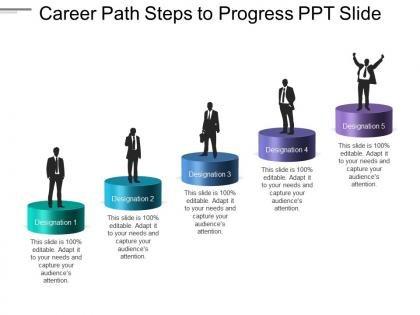
Step 1: Identify Your Career Goals
Before selecting any software training program, define your goals.
Ask Yourself:
- What career do I want?
- What skills are required in my field?
- Do I want to switch careers or grow in my current role?
Clear goals will guide your decision.
Step 2: Choose the Right Skill Area
Different careers require different software skills.
Popular Skill Areas:
- Programming and development
- Data analysis
- Graphic design
- Digital marketing
- Business tools
Choose a skill that aligns with your career path.
Step 3: Research Market Demand
Not all skills are equally valuable.
Tips:
- Look at job postings
- Check industry trends
- Identify in-demand skills
Choosing high-demand software training increases your chances of employment.
Step 4: Evaluate Training Programs
Not all courses are created equal.
What to Look For:
- Course content
- Instructor experience
- Reviews and ratings
- Certification
Choose programs that offer practical and up-to-date knowledge.
Step 5: Decide Between Online and Offline Training
Both options have their advantages.
Online Training:
- Flexible schedule
- Affordable
- Learn from anywhere
Offline Training:
- Face-to-face interaction
- Structured learning environment

Choose the format that suits your lifestyle and learning style.
Step 6: Check Course Content and Curriculum
The content of the training program is crucial.
Look For:
- Comprehensive topics
- Practical exercises
- Real-world projects
Hands-on learning is essential for mastering software skills.
Step 7: Consider Certification
Certifications can boost your resume.
Benefits:
- Validates your skills
- Improves job prospects
- Builds credibility
Choose software training programs that offer recognized certifications.
Step 8: Compare Costs
Cost is an important factor.
Tips:
- Compare different programs
- Look for value, not just price
- Consider free or affordable options
Invest wisely in your education.
Step 9: Check Flexibility and Duration
Make sure the training fits your schedule.
Consider:
- Course duration
- Time commitment
- Self-paced vs fixed schedule
Flexibility helps you stay consistent.
Step 10: Look for Support and Resources
Good training programs provide support.
Examples:
- Mentorship
- Discussion forums
- Career guidance
Support can improve your learning experience.
Types of Software Training Programs
Beginner-Level Training
- Basic concepts
- No prior experience required
Intermediate Training
- Builds on existing knowledge
- More practical applications
Advanced Training
- Specialized skills
- Industry-level expertise
Choose the level that matches your experience.
Common Mistakes to Avoid
Choosing Without Research
Always evaluate programs carefully.
Following Trends Blindly
Not every popular skill suits your goals.
Ignoring Practical Learning
Theory alone is not enough.
Overlooking Reviews
Feedback from others can provide valuable insights.
Giving Up Too Early
Learning software takes time and effort.
Tips for Successful Software Training

Stay Consistent
Regular practice is key to learning.
Practice Hands-On
Apply what you learn through projects.
Set Clear Goals
Define what you want to achieve.
Keep Learning
Technology evolves quickly.
Build a Portfolio
Showcase your skills to employers.
Benefits of Choosing the Right Software Training
Career Advancement
Gain skills that help you grow professionally.
Better Job Opportunities
Stand out in the job market.
Increased Confidence
Feel more capable in your work.
Higher Productivity
Work more efficiently with the right tools.
Software Training for Different Career Paths
IT and Programming
Focus on coding and development tools.
Business and Management
Learn tools like Excel and project management software.
Creative Fields
Focus on design and multimedia tools.
Marketing
Learn digital marketing and analytics tools.
Each career path requires specific software training.
Future Trends in Software Training
Online Learning Growth
More people are choosing online courses.
AI and Automation
Learning AI tools is becoming important.
Personalized Learning
Customized training programs are increasing.
Microlearning
Short, focused lessons are gaining popularity.
Staying updated with trends helps you stay competitive.
Final Thoughts
Choosing the right software training is a critical step in your career journey. It’s not just about learning a skill—it’s about building a future.
Conclusion
Software training can transform your career if chosen wisely. By identifying your goals, researching options, and focusing on practical learning, you can select a program that truly benefits you.
Take your time, make informed decisions, and stay committed to learning. With the right software training, you can unlock new opportunities and achieve long-term career success.