

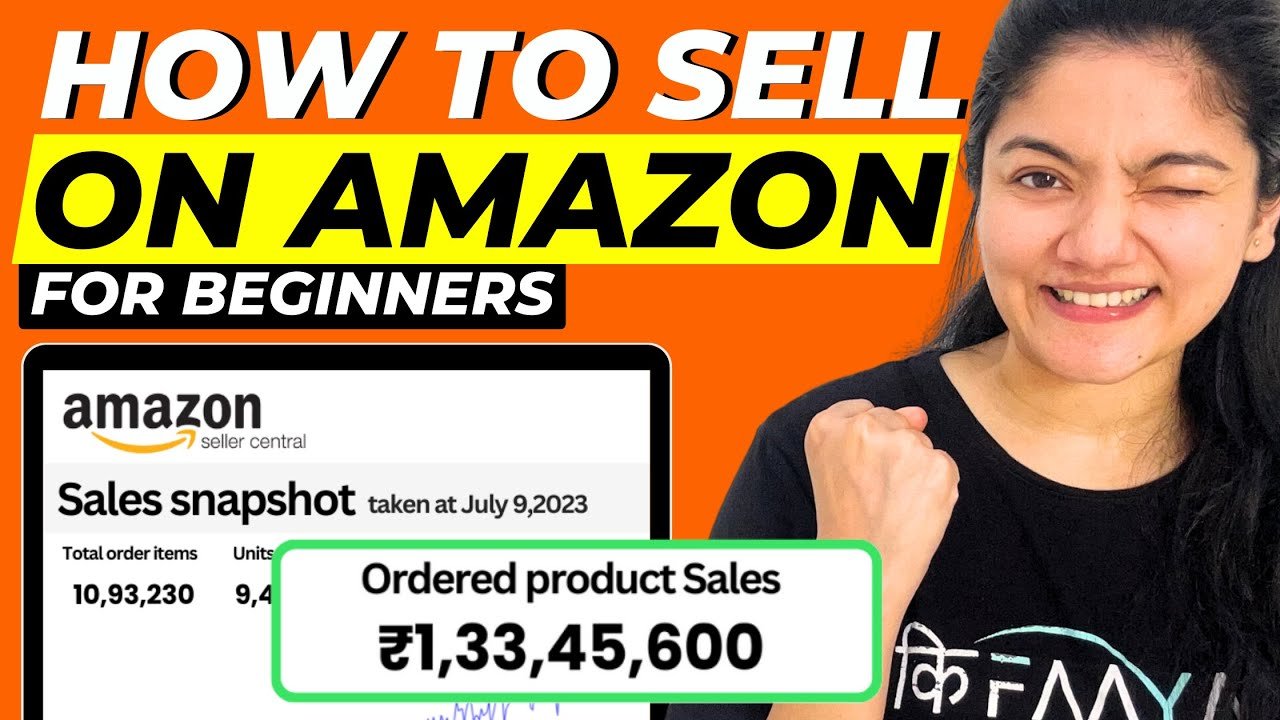
Amazon is one of the largest online marketplaces in the world, offering millions of entrepreneurs the opportunity to build successful eCommerce businesses. Whether you want to create a side income or establish a full-time online business, learning how to start selling on Amazon can open the door to a massive customer base and significant growth opportunities.
This guide will walk you through the entire process, from setting up your seller account to choosing products and growing your sales.
Why Sell on Amazon?
Before diving into how to start selling on Amazon, it’s important to understand why so many entrepreneurs choose the platform.
Amazon has hundreds of millions of active customers worldwide. Instead of spending years building your own audience, you can leverage Amazon’s existing traffic and reputation. Customers already trust Amazon, making it easier to generate sales compared to launching an independent online store from scratch.
Some benefits of selling on Amazon include:
- Access to a global customer base
- Trusted and secure shopping environment
- Advanced fulfillment options
- Powerful marketing tools
- Opportunities for business scalability
These advantages make Amazon an attractive platform for beginners and experienced sellers alike.
Step 1: Decide What to Sell
The first step in learning how to start selling on Amazon is choosing the right products.
Your product selection can significantly impact your success. Ideally, you should look for products that have:
- Consistent demand
- Moderate competition
- Healthy profit margins
- Lightweight and easy shipping
- Positive customer interest
Many sellers use product research tools to identify profitable opportunities. You can also browse Amazon categories, analyze bestseller lists, and study customer reviews to discover gaps in the market.
Popular categories include:
- Home and kitchen
- Beauty and personal care
- Pet supplies
- Fitness products
- Electronics accessories
- Office supplies
Avoid highly competitive products when starting out. Instead, focus on niche products that solve specific problems for customers.

Step 2: Choose a Selling Model
Understanding different selling models is an essential part of learning how to start selling on Amazon.
Private Label
Private labeling involves sourcing generic products and selling them under your own brand.
Advantages:
- Greater control over branding
- Higher profit potential
- Long-term business growth
Disadvantages:
- Higher upfront investment
- More research required
Wholesale
Wholesale selling involves purchasing branded products in bulk from manufacturers or distributors and reselling them.
Advantages:
- Established demand
- Lower branding requirements
Disadvantages:
- Lower profit margins
- Strong competition
Retail Arbitrage
Retail arbitrage means buying discounted products from local stores and reselling them on Amazon.
Advantages:
- Low startup costs
- Easy for beginners
Disadvantages:
- Difficult to scale
- Inventory inconsistency
Online Arbitrage
This method involves purchasing discounted products online and reselling them on Amazon.
Advantages:
- Convenient sourcing
- Flexible inventory acquisition
Disadvantages:
- Competition can be intense
Each model has unique benefits, and your choice should depend on your budget, experience, and long-term goals.
Step 3: Create an Amazon Seller Account
One of the most important steps in how to start selling on Amazon is creating your seller account.
Amazon offers two account types:
Individual Seller Plan
This plan is suitable for sellers who expect to sell fewer than 40 items per month.
Features:
- No monthly subscription fee
- Per-item selling fee applies
Professional Seller Plan
This plan is ideal for businesses and serious sellers.
Features:
- Monthly subscription fee
- Access to advertising tools
- Bulk listing capabilities
- Advanced reporting
To create your account, you’ll typically need:
- Government-issued identification
- Business information
- Bank account details
- Credit card information
- Tax information
Once your account is approved, you can begin listing products.
Step 4: Source Your Products
After setting up your account, the next step in how to start selling on Amazon is sourcing inventory.
Depending on your business model, you may source products from:
- Manufacturers
- Wholesalers
- Local retailers
- Online marketplaces
- Trade shows
When evaluating suppliers, consider:
- Product quality
- Pricing
- Shipping costs
- Minimum order quantities
- Supplier reliability
Always request product samples before placing large orders. Testing product quality can help prevent customer complaints and negative reviews.

Step 5: Create High-Quality Product Listings
Your product listing is often the first impression customers have of your brand.
A strong listing should include:
Product Title
Use a clear and descriptive title that includes important keywords customers are searching for.
Product Images
High-quality images are critical for conversions.
Include:
- Main product image
- Multiple angle shots
- Lifestyle images
- Close-up details
- Size comparisons
Bullet Points
Use bullet points to highlight key features and benefits.
Focus on:
- Product functionality
- Customer benefits
- Unique selling points
Product Description
Provide detailed information that answers customer questions and encourages purchases.
A well-optimized listing improves visibility and conversion rates.
Step 6: Choose a Fulfillment Method
An important aspect of how to start selling on Amazon is deciding how orders will be fulfilled.
Fulfillment by Amazon (FBA)
With FBA, Amazon stores, packs, and ships products on your behalf.
Benefits include:
- Prime eligibility
- Faster shipping
- Customer service support
- Returns management
Many sellers prefer FBA because it simplifies operations and improves customer experience.
Fulfillment by Merchant (FBM)
With FBM, you handle storage, packing, and shipping yourself.
Benefits include:
- Greater inventory control
- Lower fulfillment fees in some cases
However, FBM requires more time and logistical management.
Step 7: Set Competitive Pricing
Pricing plays a major role in your Amazon success.
When determining your price, consider:
- Product cost
- Shipping expenses
- Amazon fees
- Advertising costs
- Desired profit margin
Research competitors and compare similar products within your niche.
Avoid pricing too low simply to gain sales. Sustainable profits are essential for long-term growth.
Many successful sellers regularly monitor pricing trends and adjust prices accordingly.
Step 8: Launch Your Product
Once your inventory is ready and listings are optimized, it’s time to launch.
A successful launch strategy can help generate early sales and improve product rankings.
Launch tactics may include:
- Running Amazon advertising campaigns
- Offering introductory discounts
- Using coupons
- Leveraging social media promotion
- Building an email audience
Early momentum can significantly influence future sales performance.
The stronger your launch, the faster your product can gain visibility.
Step 9: Use Amazon Advertising
Advertising is often necessary when learning how to start selling on Amazon, especially in competitive categories.
Amazon offers several advertising options:
Sponsored Products
These ads promote individual product listings within search results and product pages.
Sponsored Brands
These ads showcase your brand and multiple products.
Sponsored Display
These ads target shoppers both on and off Amazon.
Start with a modest advertising budget and monitor performance closely.
Key metrics include:
- Click-through rate (CTR)
- Conversion rate
- Advertising cost of sales (ACoS)
- Return on ad spend (ROAS)
Effective advertising can accelerate growth and improve product visibility.
Step 10: Focus on Customer Reviews
Customer reviews are one of the most influential factors in Amazon purchasing decisions.
Positive reviews help:
- Increase trust
- Improve conversion rates
- Strengthen rankings
- Boost sales
To encourage reviews:
- Deliver high-quality products
- Provide excellent customer service
- Use Amazon’s review request tools
- Resolve issues quickly
Never attempt to manipulate reviews, as this violates Amazon’s policies and may result in account suspension.
Step 11: Monitor Performance Metrics
Successful Amazon sellers constantly analyze their business performance.
Important metrics include:
- Sales volume
- Conversion rate
- Advertising performance
- Customer feedback
- Profit margins
- Inventory turnover
Regular monitoring helps identify opportunities for improvement and prevents costly mistakes.
Amazon provides detailed analytics that can help sellers make data-driven decisions.
Step 12: Scale Your Amazon Business
Once you have a profitable product, you can focus on expansion.
Ways to scale include:
Add New Products
Expanding your catalog can increase revenue and reduce dependence on a single product.
Improve Branding
A strong brand creates customer loyalty and differentiates you from competitors.
Expand Internationally
Amazon operates in multiple countries, allowing sellers to reach global markets.
Increase Advertising Efforts
Profitable advertising campaigns can help drive consistent growth.
Optimize Operations
Streamlining inventory management, customer support, and logistics can improve efficiency.
Scaling strategically can transform a small Amazon store into a thriving eCommerce business.
Common Mistakes to Avoid
When learning how to start selling on Amazon, many beginners make avoidable mistakes.
Some of the most common include:
- Choosing products without sufficient research
- Ignoring profit margins
- Using poor-quality images
- Neglecting customer service
- Running unprofitable advertising campaigns
- Failing to manage inventory properly
- Violating Amazon policies
Avoiding these mistakes can save time, money, and frustration.

Final Thoughts
Learning how to start selling on Amazon may seem overwhelming at first, but the process becomes manageable when broken into clear steps. By selecting the right products, creating optimized listings, leveraging Amazon’s fulfillment services, and investing in advertising, you can build a profitable online business.q
Success on Amazon rarely happens overnight. It requires research, patience, and consistent effort. However, with the right strategy and commitment, Amazon can provide an incredible platform for growing a sustainable eCommerce business.
If you’re serious about building an online income stream, now is an excellent time to start selling on Amazon and take advantage of one of the world’s largest digital marketplaces.