

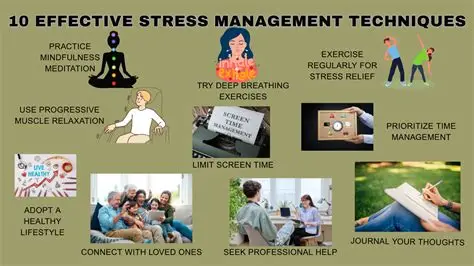
In today’s fast-paced world, stress has become a common part of daily life. Whether it’s work pressure, financial challenges, or personal responsibilities, many people struggle to maintain balance. That’s why learning effective stress management techniques is essential for both your health and productivity.
Stress is not always harmful—in small amounts, it can motivate you to take action. However, chronic stress can negatively impact your physical health, mental well-being, and overall quality of life. In this guide, you’ll learn practical stress management techniques that can help you live a healthier and more productive life.
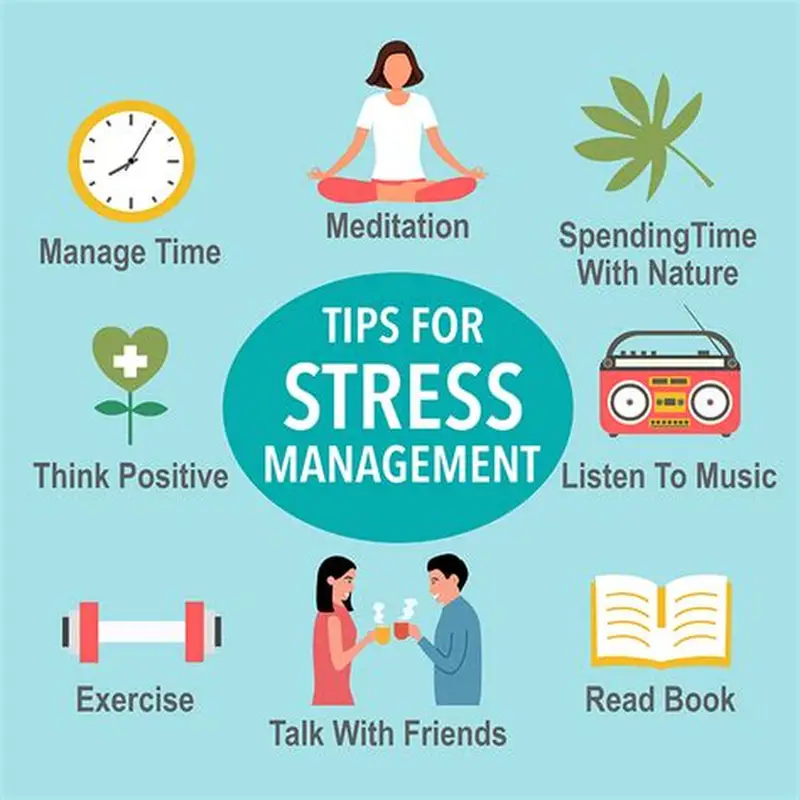
What Is Stress Management?
Stress management refers to the strategies and techniques used to control and reduce stress levels. It involves understanding the sources of stress and taking steps to manage them effectively.
Good stress management helps you:
- Stay calm under pressure
- Improve focus and productivity
- Maintain better physical health
- Build emotional resilience
It’s not about eliminating stress completely, but learning how to handle it in a healthy way.
Causes of Stress
Understanding what causes stress is the first step toward managing it.
Common Causes:
- Work pressure and deadlines
- Financial problems
- Relationship issues
- Health concerns
- Lack of time or poor time management
Identifying your stress triggers allows you to address them more effectively.
Effects of Stress on Your Life
Chronic stress can have serious consequences if not managed properly.
Physical Effects:
- Headaches
- Fatigue
- Sleep problems
- Weakened immune system
Emotional Effects:
- Anxiety
- Irritability
- Depression
- Lack of motivation
Productivity Effects:
- Reduced focus
- Poor decision-making
- Lower efficiency
This is why stress management is critical for both health and success.
Top Stress Management Techniques
Let’s explore effective and easy-to-apply stress management techniques.
1. Practice Deep Breathing
Deep breathing is one of the simplest ways to reduce stress.
How It Helps:
- Calms your nervous system
- Reduces anxiety
- Improves focus
How to Do It:
- Inhale slowly through your nose
- Hold for a few seconds
- Exhale slowly through your mouth
Repeat for a few minutes to feel more relaxed.
2. Exercise Regularly
Physical activity is a powerful stress reliever.
Benefits:
- Releases endorphins (feel-good hormones)
- Improves mood
- Boosts energy
Examples:
- Walking
- Running
- Yoga
- Gym workouts
Even 20–30 minutes of exercise can make a big difference.
3. Manage Your Time Effectively
Poor time management often leads to stress.
Tips:
- Plan your day
- Prioritize tasks
- Avoid overloading your schedule
Good time management reduces pressure and increases productivity.
4. Get Enough Sleep
Sleep plays a crucial role in stress management.
Why It Matters:
- Restores energy
- Improves mood
- Enhances focus
Tips for Better Sleep:
- Maintain a regular sleep schedule
- Avoid screens before bedtime
- Create a relaxing environment
Aim for 7–9 hours of sleep each night.
5. Practice Mindfulness and Meditation
Mindfulness helps you stay present and calm.
Benefits:
- Reduces anxiety
- Improves concentration
- Enhances emotional control
How to Start:
- Focus on your breathing
- Observe your thoughts without judgment
- Practice daily for a few minutes
Meditation is a powerful stress management tool.
6. Maintain a Healthy Diet
What you eat affects how you feel.
Tips:
- Eat balanced meals
- Stay hydrated
- Avoid excessive caffeine and sugar
A healthy diet supports both mental and physical well-being.
7. Take Breaks
Working continuously can increase stress.
Why Breaks Matter:
- Refresh your mind
- Prevent burnout
- Improve productivity
Short breaks throughout the day can boost your performance.
8. Stay Organized
Clutter and disorganization can increase stress.
Tips:
- Keep your workspace tidy
- Use planners or apps
- Organize your tasks
An organized environment promotes calmness and focus.
9. Connect with Others
Social support is important for stress management.
Benefits:
- Reduces feelings of isolation
- Provides emotional support
- Improves mood
Spend time with family, friends, or supportive communities.
10. Learn to Say No
Taking on too many responsibilities can lead to stress.
Why It’s Important:
- Protects your time and energy
- Helps you focus on priorities
Don’t be afraid to set boundaries.
11. Engage in Hobbies
Doing activities you enjoy can reduce stress.
Examples:
- Reading
- Painting
- Playing music
- Gardening
Hobbies provide relaxation and joy.
12. Practice Positive Thinking
Your mindset affects your stress levels.
Tips:
- Focus on solutions, not problems
- Replace negative thoughts with positive ones
- Practice gratitude
A positive mindset improves resilience.
Stress Management at Work
Work is one of the biggest sources of stress.
Tips for Managing Work Stress:
- Set realistic goals
- Take regular breaks
- Communicate with your team
- Avoid multitasking
Managing stress at work improves productivity and job satisfaction.
Stress Management for Students
Students often face academic pressure.
Tips:
- Create a study schedule
- Avoid last-minute studying
- Take breaks
- Stay organized
Effective stress management helps students perform better.
Stress Management for a Healthy Lifestyle
Stress management is not just about handling stress—it’s about improving your overall lifestyle.
Key Habits:
- Regular exercise
- Healthy eating
- Good sleep
- Positive relationships
These habits contribute to long-term well-being.
Common Stress Management Mistakes
Avoid these mistakes to improve your stress management.
Ignoring Stress
Ignoring stress can make it worse.
Relying on Unhealthy Coping Mechanisms
Avoid:
- Excessive alcohol
- Overeating
- Smoking
Overworking
Working too much without rest leads to burnout.
Lack of Self-Care
Taking care of yourself is essential.
Benefits of Effective Stress Management
Practicing stress management offers many benefits.
Health Benefits:
- Improved physical health
- Better sleep
- Stronger immune system
Mental Benefits:
- Reduced anxiety
- Improved mood
- Better focus
Productivity Benefits:
- Increased efficiency
- Better decision-making
- Higher performance
Tips for Long-Term Stress Management
Build Healthy Habits
Consistency is key to managing stress.
Stay Active
Regular activity keeps your mind and body healthy.
Keep Learning
Explore new stress management techniques.
Be Patient
Improvement takes time.
When to Seek Help
If stress becomes overwhelming, it’s important to seek professional help.
Signs You May Need Help:
- Constant anxiety
- Difficulty functioning daily
- Persistent negative thoughts
Talking to a professional can provide guidance and support.
Final Thoughts
Effective stress management is essential for living a healthy and productive life. By understanding your stress triggers and applying the right techniques, you can take control of your well-being.
Conclusion
Stress is a natural part of life, but it doesn’t have to control you. With the right stress management techniques, you can reduce its impact and improve your overall quality of life.
Start small by applying a few of the strategies in this guide, and gradually build healthy habits. Over time, you’ll become more resilient, productive, and better equipped to handle life’s challenges.