

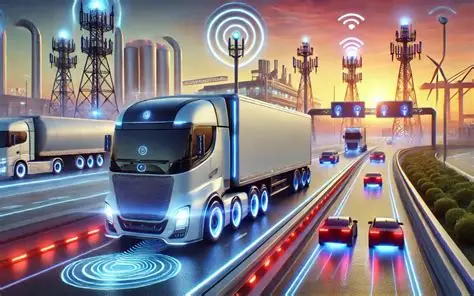
The logistics industry is undergoing a major transformation driven by rapid technological advancements and changing global demands. Businesses are no longer relying on traditional methods alone—they are embracing innovation to stay competitive. Understanding the future of logistics is essential for organizations that want to improve efficiency, reduce costs, and deliver better customer experiences.
At the center of this transformation are smart supply chain innovations and digital technologies. These tools are reshaping how goods are produced, stored, transported, and delivered. In this article, we explore the key trends, technologies, and strategies defining the future of logistics.
What Defines the Future of Logistics?
The future of logistics is characterized by the integration of digital technologies, automation, and data-driven decision-making. It focuses on creating smarter, faster, and more resilient supply chains.
Key features include:
- Real-time visibility across the supply chain
- Automation of repetitive tasks
- Predictive analytics for better planning
- Sustainable and environmentally friendly operations
- Seamless integration between systems and partners
These elements are helping businesses move from reactive operations to proactive and intelligent logistics management.
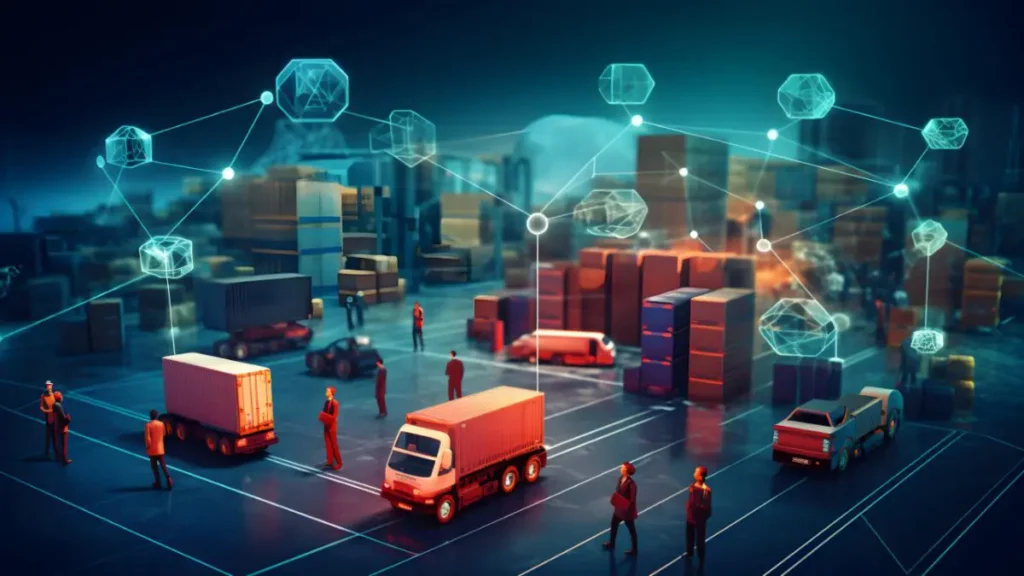
The Role of Digital Transformation in Logistics
Digital transformation is the backbone of modern logistics. It involves using technology to improve processes, enhance visibility, and enable better decision-making.
Benefits of Digital Transformation
- Improved efficiency: Automation reduces manual work and errors
- Better visibility: Real-time tracking provides accurate information
- Faster decision-making: Data analytics enable quick responses
- Cost reduction: Optimized operations lower expenses
Companies that invest in digital transformation are better positioned to adapt to market changes and customer expectations.
Key Smart Supply Chain Innovations
1. Artificial Intelligence and Machine Learning
Artificial intelligence (AI) and machine learning (ML) are revolutionizing logistics by enabling smarter decision-making.
Applications include:
- Demand forecasting
- Route optimization
- Inventory management
- Risk prediction
AI systems can analyze large amounts of data and identify patterns, helping businesses make more accurate and efficient decisions.
2. Internet of Things (IoT)
The Internet of Things connects devices and systems to provide real-time data. In logistics, IoT is used to track shipments, monitor conditions, and improve visibility.
Examples:
- GPS tracking for vehicles
- Sensors for temperature-sensitive goods
- Smart warehouses with connected equipment
IoT enables better control and transparency across the supply chain.
3. Automation and Robotics
Automation is transforming warehouses and distribution centers. Robots and automated systems can perform tasks faster and more accurately than humans.
Common uses:
- Automated picking and packing
- Conveyor systems
- Autonomous mobile robots (AMRs)
Automation reduces labor costs, increases speed, and improves accuracy.
4. Blockchain Technology
Blockchain provides a secure and transparent way to record transactions. In logistics, it is used to improve trust and traceability.
Benefits include:
- Secure data sharing
- Reduced fraud
- Improved transparency
- Faster documentation processes
Blockchain is especially useful for complex global supply chains.
5. Cloud Computing
Cloud-based platforms allow businesses to store and access data from anywhere. This improves collaboration and scalability.
Advantages:
- Easy integration with other systems
- Real-time data access
- Lower infrastructure costs
- Improved flexibility
Cloud computing is essential for modern, connected supply chains.
Smart Logistics Operations
Real-Time Tracking and Visibility
One of the most important aspects of the future of logistics is real-time visibility. Businesses can now track shipments at every stage of the journey.
This leads to:
- Better customer communication
- Faster problem resolution
- Improved planning and coordination
Real-time data helps companies stay in control and respond quickly to disruptions.
Predictive Analytics
Predictive analytics uses historical data and algorithms to forecast future outcomes. This is a key component of smart logistics.
Applications include:
- Predicting demand
- Identifying potential delays
- Optimizing inventory levels
Predictive insights enable proactive decision-making and reduce uncertainty.
Smart Warehousing
Warehouses are becoming more intelligent through the use of technology and automation.
Features of smart warehouses:
- Automated storage and retrieval systems
- Real-time inventory tracking
- Data-driven layout optimization
These innovations improve efficiency and reduce operational costs.
Sustainability in the Future of Logistics
Sustainability is a major focus in modern logistics. Companies are adopting environmentally friendly practices to reduce their impact on the planet.
Key Sustainable Practices
- Using energy-efficient transportation
- Reducing packaging waste
- Optimizing delivery routes to lower emissions
- Investing in electric and alternative fuel vehicles
Sustainable logistics not only benefits the environment but also improves efficiency and reduces costs.
Challenges in Adopting Smart Logistics
While the benefits are clear, transitioning to smart logistics comes with challenges:
High Initial Investment
Implementing new technologies can be expensive.
Integration Issues
Combining new systems with existing infrastructure can be complex.
Skill Gaps
Employees may need training to use advanced technologies.
Data Security Concerns
Increased digitalization raises the risk of cyber threats.
To overcome these challenges, businesses should adopt a phased approach and invest in employee training and cybersecurity.
The Role of Data in Logistics Transformation
Data is at the heart of digital transformation. Companies that effectively use data can gain valuable insights and improve decision-making.
Key Data Strategies
- Collect data from all supply chain activities
- Use analytics tools to identify trends
- Monitor key performance indicators (KPIs)
- Continuously refine processes based on data
Data-driven logistics enables greater efficiency, accuracy, and responsiveness.
Future Trends Shaping Logistics
Several trends are expected to define the future of logistics in the coming years:
1. Autonomous Vehicles
Self-driving trucks and delivery vehicles will reduce labor costs and improve efficiency.
2. Drone Deliveries
Drones will enable faster last-mile delivery, especially in remote areas.
3. Digital Twins
Virtual models of supply chains will allow businesses to simulate and optimize operations.
4. Hyperautomation
Combining AI, robotics, and automation to create fully automated processes.
5. Personalized Logistics
Customized delivery options based on customer preferences.
These trends will continue to transform logistics and create new opportunities for innovation.
Building a Future-Ready Supply Chain
To succeed in the future of logistics, businesses must take a strategic approach.
Key Steps:
- Invest in digital technologies
- Build flexible and scalable systems
- Focus on customer-centric solutions
- Strengthen partnerships across the supply chain
- Continuously innovate and adapt
Organizations that embrace change and innovation will be better prepared for the future.
Conclusion
The future of logistics is being shaped by smart supply chain innovations and digital transformation. Technologies like AI, IoT, automation, and blockchain are revolutionizing how supply chains operate, making them more efficient, transparent, and resilient.
Understanding the future of logistics is essential for businesses that want to stay competitive in a rapidly evolving market. By adopting digital tools, leveraging data, and focusing on sustainability, companies can build smarter and more efficient logistics systems.
While challenges exist, the benefits of transformation far outweigh the risks. Businesses that invest in innovation today will be better equipped to meet the demands of tomorrow and achieve long-term success.
The journey toward smarter logistics is not just about technology—it’s about creating a more connected, efficient, and sustainable future for global supply chains.