


In today’s fast-paced world, managing your time effectively is more important than ever. Whether you’re a student, professional, or entrepreneur, mastering time management can help you achieve more in less time, reduce stress, and improve your overall quality of life.
Many people struggle with productivity not because they lack ability, but because they don’t manage their time well. The good news is that time management is a skill you can learn and improve. In this guide, you’ll discover practical time management tips to help you boost productivity and get more done.
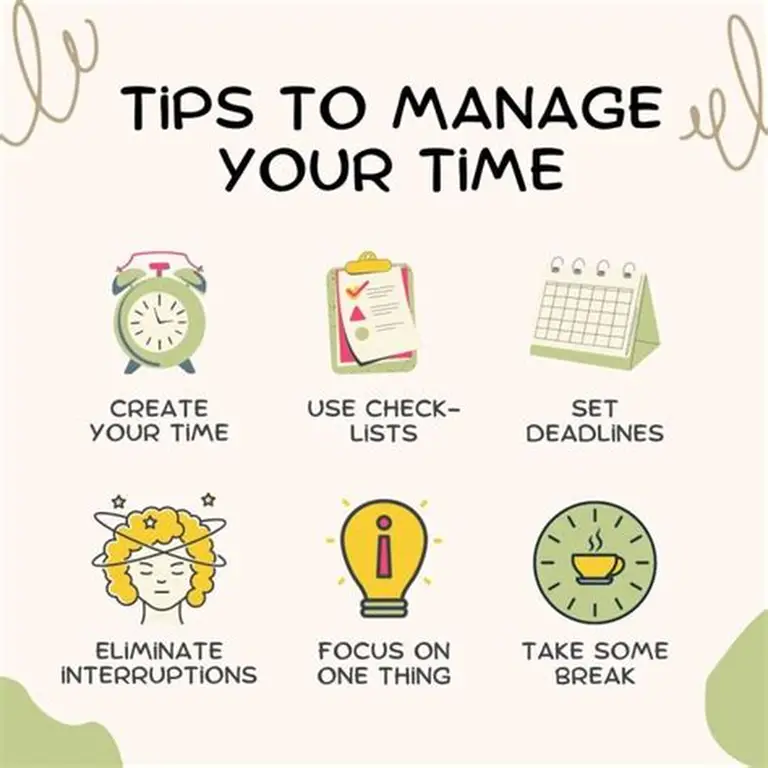
What Is Time Management?
Time management is the process of planning and organizing how you spend your time on tasks and activities. It involves setting priorities, eliminating distractions, and using your time efficiently.
Good time management helps you:
- Complete tasks on time
- Reduce stress
- Improve focus
- Achieve your goals faster
It’s not about being busy—it’s about being productive.
Why Time Management Is Important
Effective time management plays a key role in success.
Key Benefits:
- Increased productivity
- Better work-life balance
- Reduced stress and anxiety
- Improved decision-making
- More time for personal growth
When you manage your time well, you gain control over your day instead of letting your day control you.
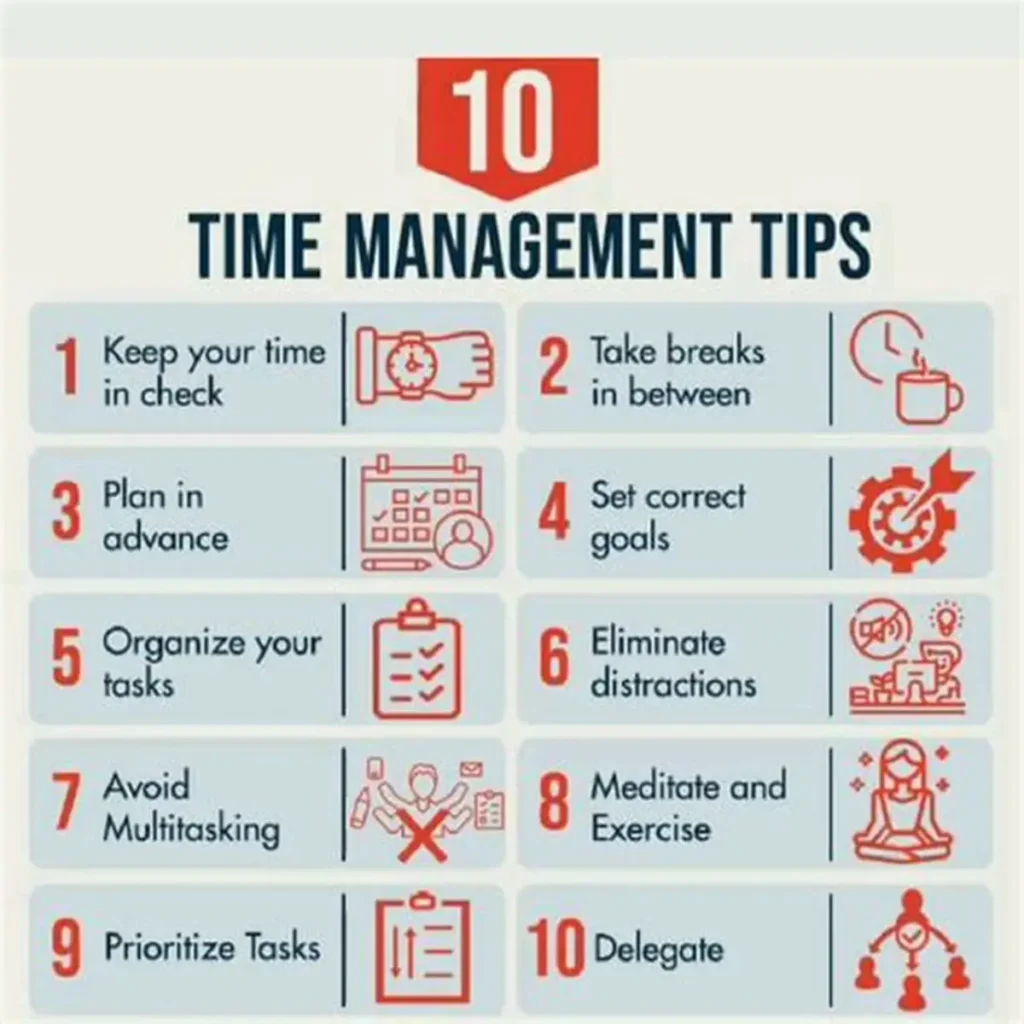
Common Time Management Challenges
Before improving your time management, it’s important to understand common problems.
Typical Challenges:
- Procrastination
- Poor planning
- Distractions
- Overcommitting
- Lack of clear goals
Identifying these issues is the first step toward improvement.
Top Time Management Tips to Boost Productivity
Let’s explore practical and effective time management tips you can start using today.
1. Set Clear Goals
Without clear goals, it’s easy to waste time on unimportant tasks.
How to Do It:
- Define what you want to achieve
- Break goals into smaller tasks
- Set deadlines
Clear goals give your time purpose and direction.
2. Prioritize Your Tasks
Not all tasks are equally important.
Use the Priority Method:
- High priority: Urgent and important
- Medium priority: Important but not urgent
- Low priority: Less important
Focus on high-impact tasks first.
3. Create a Daily Plan
Planning your day helps you stay organized and focused.
Tips:
- Make a to-do list
- Schedule tasks by priority
- Allocate specific time slots
A daily plan keeps you on track and reduces wasted time.

4. Avoid Multitasking
Many people believe multitasking increases productivity, but it often does the opposite.
Why It’s a Problem:
- Reduces focus
- Increases mistakes
- Slows down progress
Better Approach:
Focus on one task at a time for better results.
5. Use Time Blocking
Time blocking is a powerful time management technique.
How It Works:
- Divide your day into blocks of time
- Assign each block a specific task
This method helps you stay focused and avoid distractions.
6. Eliminate Distractions
Distractions are one of the biggest productivity killers.
Common Distractions:
- Social media
- Notifications
- Unnecessary meetings
How to Reduce Them:
- Turn off notifications
- Create a quiet workspace
- Set boundaries
Reducing distractions improves concentration.
7. Set Deadlines
Deadlines create a sense of urgency.
Benefits:
- Keeps you focused
- Prevents procrastination
- Helps you complete tasks faster
Even for personal tasks, setting deadlines can improve productivity.
8. Take Regular Breaks
Working non-stop can lead to burnout.
Use the Pomodoro Technique:
- Work for 25 minutes
- Take a 5-minute break
- Repeat
Breaks help refresh your mind and maintain productivity.
9. Learn to Say No
Overcommitting can overwhelm your schedule.
Why It Matters:
- Protects your time
- Allows you to focus on priorities
Be selective about what you agree to.
10. Use Productivity Tools
Technology can support your time management efforts.
Useful Tools:
- Task management apps
- Calendar apps
- Time tracking tools
These tools help you stay organized and efficient.
11. Focus on High-Value Tasks
Not all tasks contribute equally to your goals.
Tip:
Focus on tasks that deliver the most results.
This approach maximizes productivity.
12. Review Your Progress
Regularly reviewing your work helps you improve.
Ask Yourself:
- What did I accomplish?
- What can I improve?
Reflection helps you refine your time management strategy.
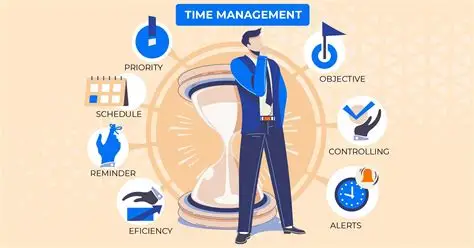
Time Management Techniques You Should Know
The 80/20 Rule (Pareto Principle)
80% of results come from 20% of efforts.
Focus on high-impact tasks.
The Eisenhower Matrix
Categorizes tasks into:
- Urgent and important
- Important but not urgent
- Urgent but not important
- Neither
Helps you prioritize effectively.
The Pomodoro Technique
Short work sessions with breaks to maintain focus.
Common Time Management Mistakes
Avoid these mistakes to improve productivity.
Procrastination
Delaying tasks reduces efficiency.
Lack of Planning
Without a plan, time is easily wasted.
Overloading Your Schedule
Too many tasks lead to burnout.
Ignoring Breaks
Rest is essential for productivity.
Poor Prioritization
Working on low-value tasks wastes time.
How Time Management Improves Productivity
Effective time management directly impacts productivity.
Benefits Include:
- Better focus
- Faster task completion
- Reduced stress
- Improved results
When you manage your time well, you accomplish more with less effort.
Time Management for Different Lifestyles
For Students
- Create a study schedule
- Avoid last-minute cramming
- Use breaks effectively
For Professionals
- Prioritize work tasks
- Limit meetings
- Use productivity tools
For Entrepreneurs
- Focus on high-impact activities
- Delegate tasks
- Plan long-term goals
Tips for Long-Term Time Management Success
Build Good Habits
Consistency is key to improvement.
Stay Organized
Keep your workspace and tasks organized.
Keep Learning
Improve your time management skills over time.
Stay Flexible
Adapt your plans when necessary.

Final Thoughts
Mastering time management is one of the most valuable skills you can develop. It helps you stay productive, reduce stress, and achieve your goals more efficiently.
Conclusion
Time management is not about working harder—it’s about working smarter. By setting clear goals, prioritizing tasks, eliminating distractions, and using effective techniques, you can boost productivity and get more done in less time.
Start applying these time management tips today, and you’ll soon notice a significant improvement in how you use your time and achieve your goals.