

Planning an event—whether it’s a corporate gathering, wedding, conference, or private party—requires attention to detail, creativity, and organization. Successful event planning is not just about logistics; it’s about creating an experience that leaves a lasting impression on your guests.
A well-planned event can strengthen relationships, enhance your brand, and achieve your goals. On the other hand, poor planning can lead to confusion, stress, and disappointment. In this guide, you’ll learn the top event planning tips to help you create memorable and successful events.
What Is Event Planning?
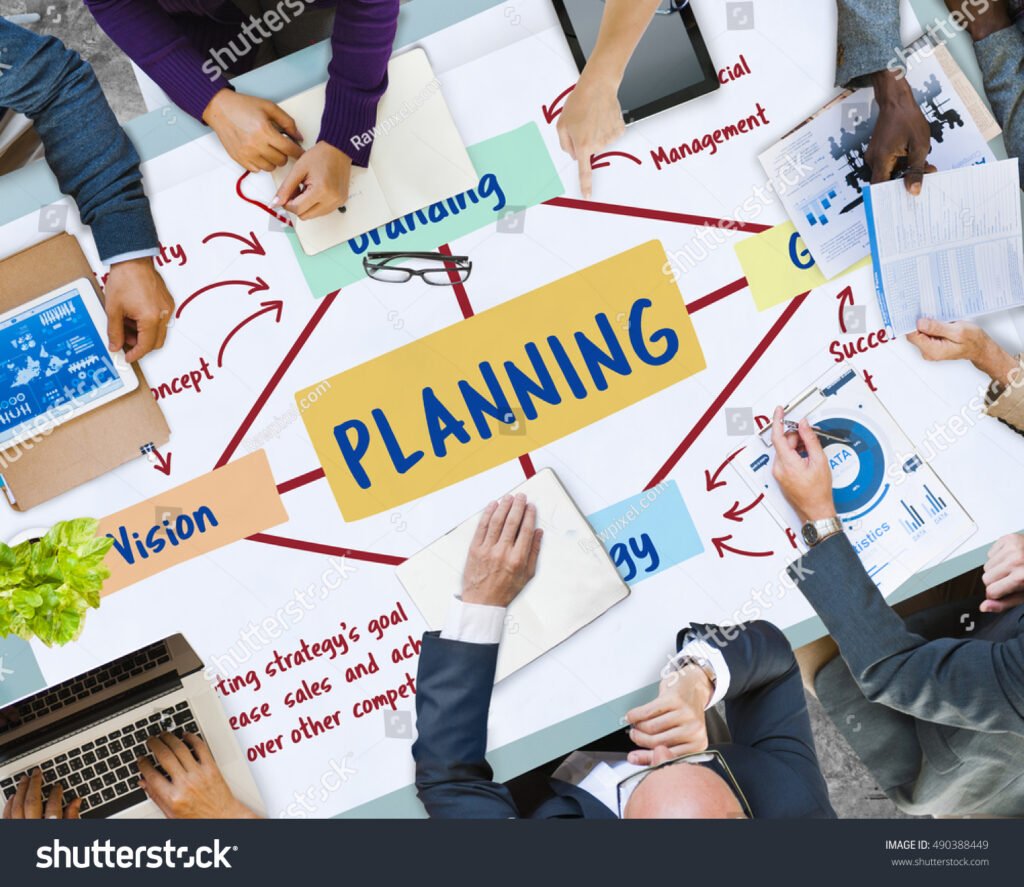
Event planning is the process of organizing and coordinating all aspects of an event. This includes budgeting, scheduling, venue selection, guest management, and execution.
Key Elements of Event Planning:
- Setting objectives
- Budgeting
- Venue selection
- Coordination
- Execution
Effective event planning ensures that everything runs smoothly from start to finish.
Why Event Planning Matters
Good event planning plays a crucial role in the success of any event.
Key Benefits:
- Ensures smooth execution
- Enhances guest experience
- Saves time and money
- Reduces stress
- Achieves event goals
When done right, event planning turns ideas into unforgettable experiences.
Top Event Planning Tips for Success
Let’s explore practical tips to help you plan and execute a successful event.
1. Define Clear Goals
Every successful event starts with a clear purpose.
Ask Yourself:
- What is the goal of the event?
- Who is the target audience?
- What outcome do you want?
Clear goals guide your event planning decisions and help measure success.
2. Create a Detailed Plan
Planning is the foundation of successful event planning.
Include:
- Timeline
- Task list
- Budget
- Responsibilities
A structured plan keeps everything organized and on track.
3. Set a Realistic Budget
Budgeting is essential in event planning.
Tips:
- List all possible expenses
- Allocate funds wisely
- Keep a contingency fund
Staying within budget ensures financial control.
4. Choose the Right Venue
The venue plays a major role in your event’s success.
Consider:
- Location
- Capacity
- Facilities
- Accessibility
A suitable venue enhances the overall experience.
5. Understand Your Audience
Knowing your audience helps you tailor the event.
Consider:
- Preferences
- Expectations
- Interests
An audience-focused approach improves engagement.
6. Focus on the Guest Experience
The success of your event depends on how guests feel.
Tips:
- Provide clear information
- Ensure comfort
- Offer engaging activities
A positive experience makes your event memorable.
7. Plan Engaging Content
Content is the heart of your event.
Ideas:
- Guest speakers
- Interactive sessions
- Entertainment
Keep your audience engaged throughout the event.
8. Use Technology
Technology can improve your event planning process.
Examples:
- Event management software
- Online registration tools
- Live streaming
Technology increases efficiency and reach.
9. Build a Strong Team
Event planning is a team effort.
Roles May Include:
- Event coordinator
- Marketing team
- Logistics manager
A reliable team ensures smooth execution.
10. Communicate Effectively
Clear communication is essential.
Tips:
- Keep your team informed
- Update stakeholders
- Provide clear instructions
Good communication prevents confusion.
11. Manage Time Wisely
Time management is crucial in event planning.
Tips:
- Set deadlines
- Prioritize tasks
- Avoid last-minute work
Proper timing ensures everything is ready.
12. Pay Attention to Details
Small details can make a big difference.
Examples:
- Decorations
- Lighting
- Seating arrangements
Attention to detail enhances the overall experience.
13. Prepare for Unexpected Issues
Things don’t always go as planned.
Be Ready For:
- Technical problems
- Weather changes
- Last-minute cancellations
Having backup plans ensures smooth event planning.
14. Promote Your Event Effectively
Marketing is key to attracting attendees.
Strategies:
- Social media
- Email campaigns
- Website promotion
Effective promotion increases attendance.
15. Evaluate Your Event
After the event, assess its success.
Methods:
- Collect feedback
- Analyze results
- Identify improvements
Evaluation helps improve future event planning.
Common Event Planning Mistakes to Avoid
Avoid these mistakes to ensure success.
Lack of Planning
Poor planning leads to chaos.
Ignoring the Audience
Failing to meet audience needs reduces engagement.
Overspending
Poor budget management can cause problems.
Poor Communication
Leads to misunderstandings and errors.
No Backup Plan
Unexpected issues can disrupt your event.
Benefits of Successful Event Planning
Memorable Experiences
Guests remember well-organized events.
Strong Relationships
Events help build connections.
Brand Enhancement
Professional events improve your image.
Increased Engagement
Interactive events keep attendees interested.
Event Planning for Different Types of Events
Corporate Events
Focus on professionalism and clear objectives.
Social Events
Emphasize fun and entertainment.
Weddings
Focus on personalization and detail.
Conferences
Prioritize content and networking.
Each type requires a unique approach to event planning.
Event Planning Trends in 2026
Hybrid Events
Combining physical and virtual elements.
Personalization
Customized experiences for attendees.
Sustainability
Eco-friendly event practices.
Technology Integration
Use of AI and automation tools.
Staying updated with trends helps you stay competitive.
Tips for Long-Term Event Planning Success
Stay Organized
Keep everything structured and documented.
Learn from Experience
Improve with each event.
Build Relationships
Work with reliable vendors and partners.
Keep Innovating
Try new ideas to stand out.
Final Thoughts
Effective event planning is the key to creating memorable and successful events. By focusing on organization, communication, and guest experience, you can deliver events that leave a lasting impact.
Conclusion
Event planning is both an art and a science. It requires careful preparation, creativity, and attention to detail. By following these top event planning tips, you can create events that not only meet expectations but exceed them.
Start planning early, stay organized, and focus on your audience. With the right approach, your events will be successful, memorable, and truly impactful.